








Shoe Soles Explained: Leather vs. Dainite Rubber in British Weather
You can buy the most beautiful calfskin upper in the world, but if the sole attached to it doesn't match your environment, the shoe is useless. At Oswin Hyde, we constantly field questions about sole construction. The debate between traditional leather soles and rubber Dainite-style soles is a fierce one.
Here is the truth about what you should be standing on.
The Traditional Leather Sole
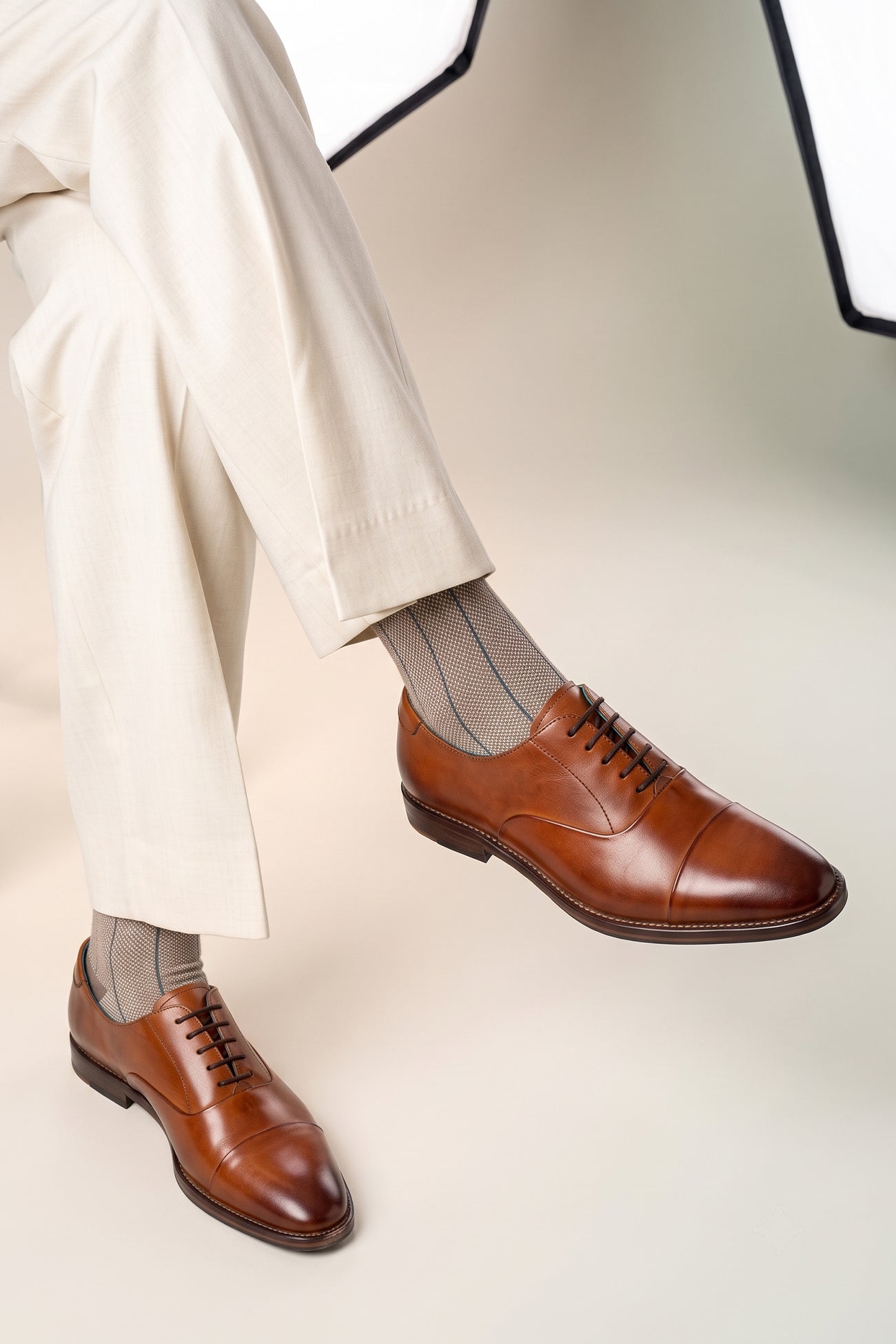
A traditional oak-bark tanned leather sole is the hallmark of luxury shoemaking.
-
The Pros: It is incredibly elegant. It has a slim, sharp profile that looks spectacular with a formal suit. It breathes beautifully and, over time, molds perfectly to the footprint of the wearer. Oh, and it makes that deeply satisfying "click" on marble floors.
-
The Cons: Water is its sworn enemy. If you wear a leather-soled Oswin Hyde Classic Leather Oxford in a torrential downpour, the leather will absorb water, expand, and degrade rapidly. They also offer zero traction on wet pavements.
The Rubber Dainite-Style Sole
Invented in the UK specifically to combat British weather, the Dainite-style sole is a game-changer.
-
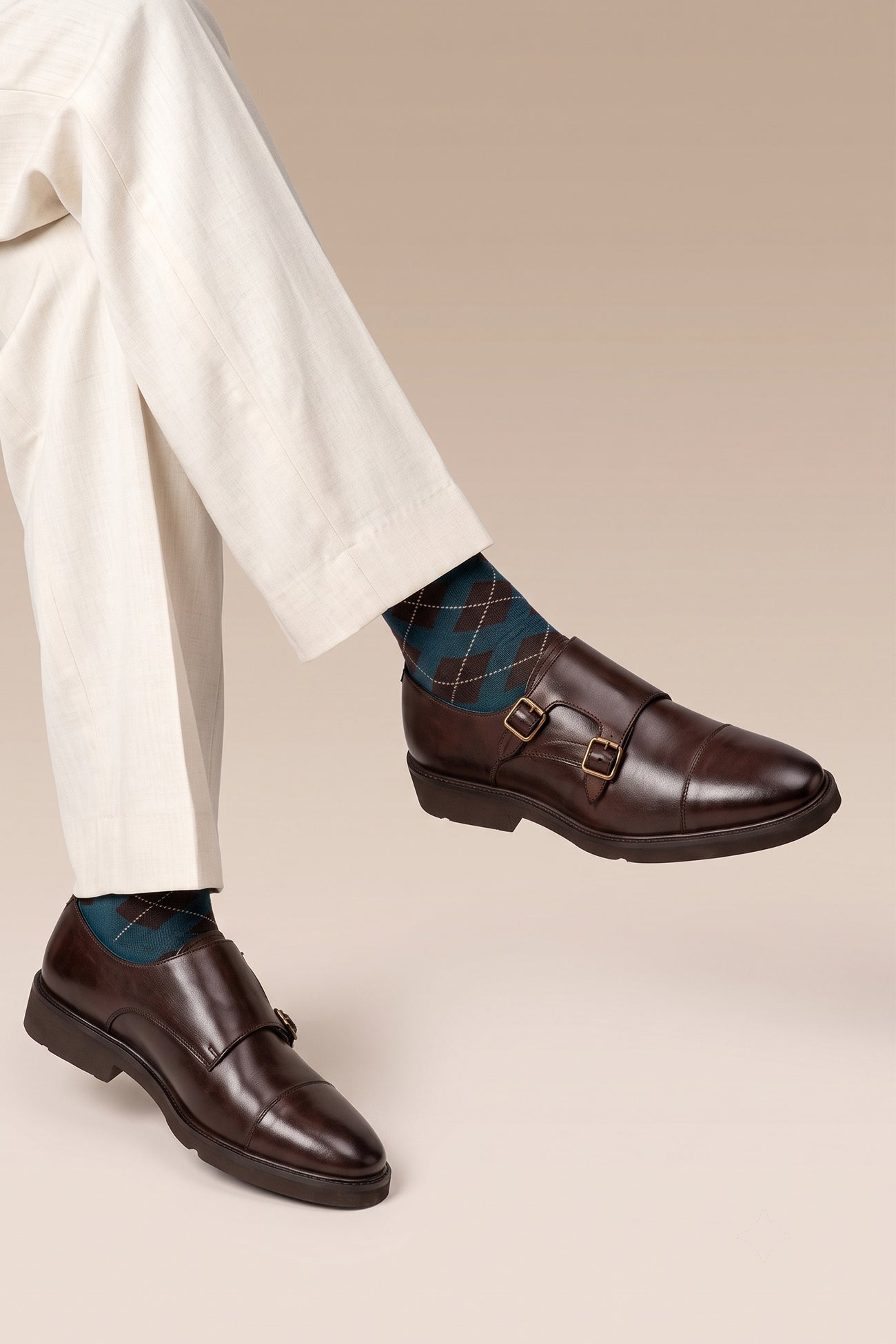
The Pros: From a side profile, it looks exactly as thin and formal as a leather sole. But underneath, it features recessed rubber studs that provide incredible grip on wet leaves, frosty grass, and slick pavements. It is practically waterproof.
-
The Cons: It is slightly heavier than a leather sole and doesn't breathe quite as well.
The Verdict: If you are buying a shoe exclusively for the office, summer weddings, and dry days, go for leather. If you want an everyday warrior that can handle a wet November commute, invest in an Oswin Hyde Rubber-Soled Derby.
Read more

When the leaves start turning brown and the British weather does what it does best—become entirely unpredictable—your footwear needs to adapt. The transition from summer loafers to winter boots is ...

Let us have a very frank conversation about what is happening in British offices right now. If we look back to the pre-2020 corporate landscape, the rules were rigid, boring, but undeniably easy to...
Leave a comment
All comments are moderated before being published.
This site is protected by hCaptcha and the hCaptcha Privacy Policy and Terms of Service apply.