



Umbrella Buying Guide: Types, Fabrics and the Best Umbrella for Wind
By Oswin Hyde · Last updated 28 September 2026
The short answer: the best umbrella for UK weather has a flexible fibreglass frame that bends in the wind instead of breaking, a tightly woven canopy (pongee or polyester of around 190T or higher), and a canopy of about 100–105 cm for a compact or 110–130 cm for a full-size or golf umbrella. Choose a stick umbrella for the most coverage and strength, and a folding umbrella for your bag.
Types of umbrella
| Type | Canopy | Best for | Try |
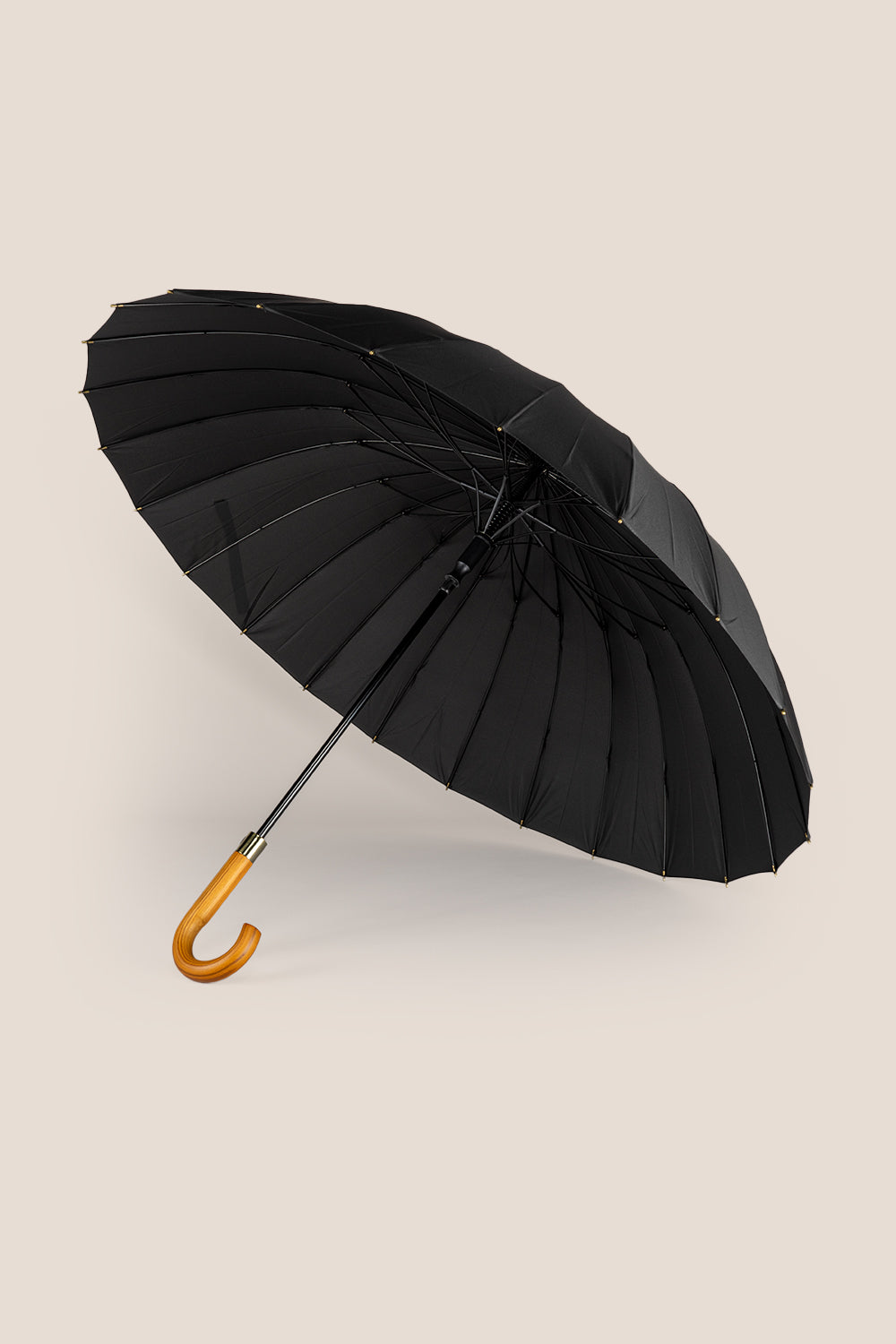
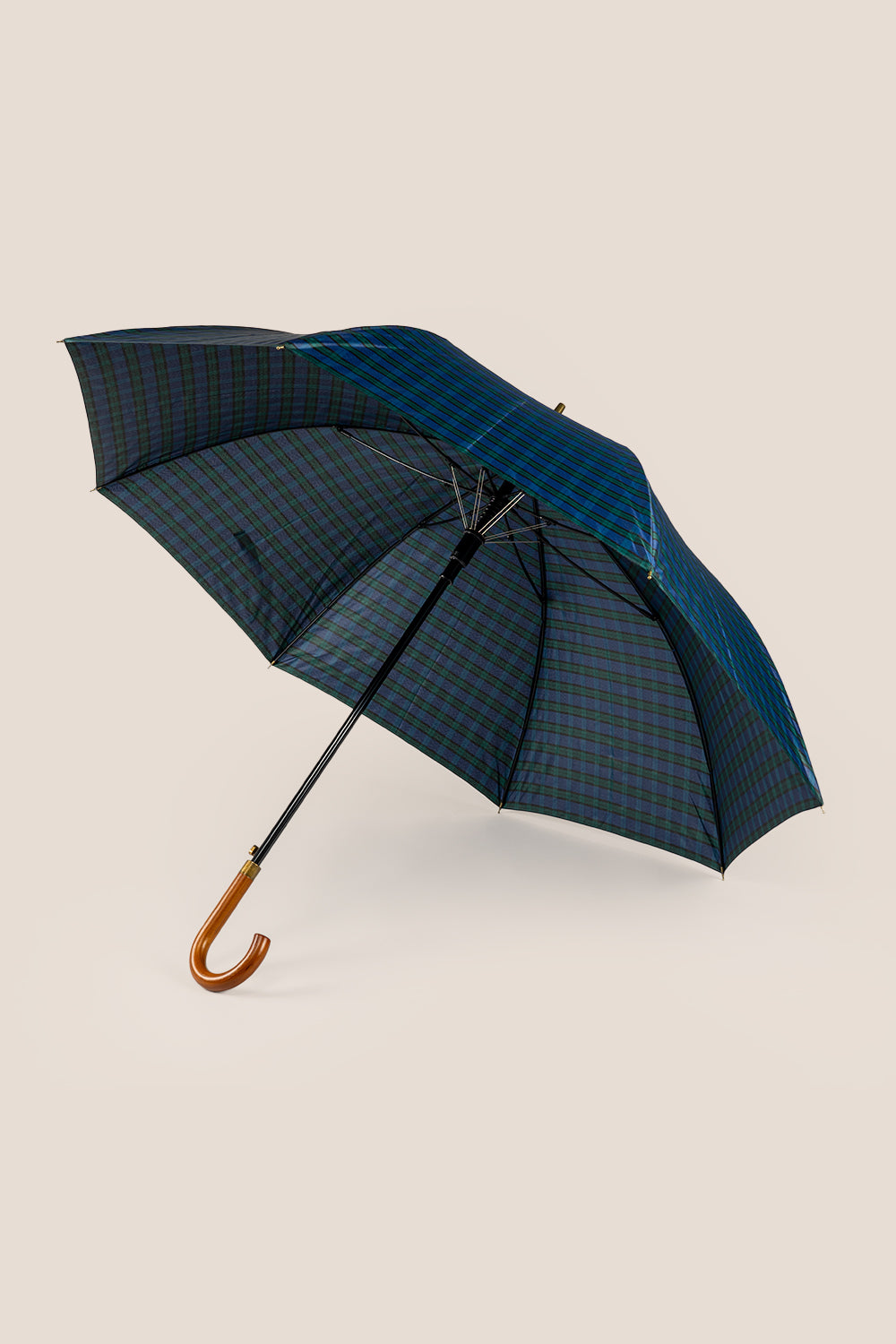
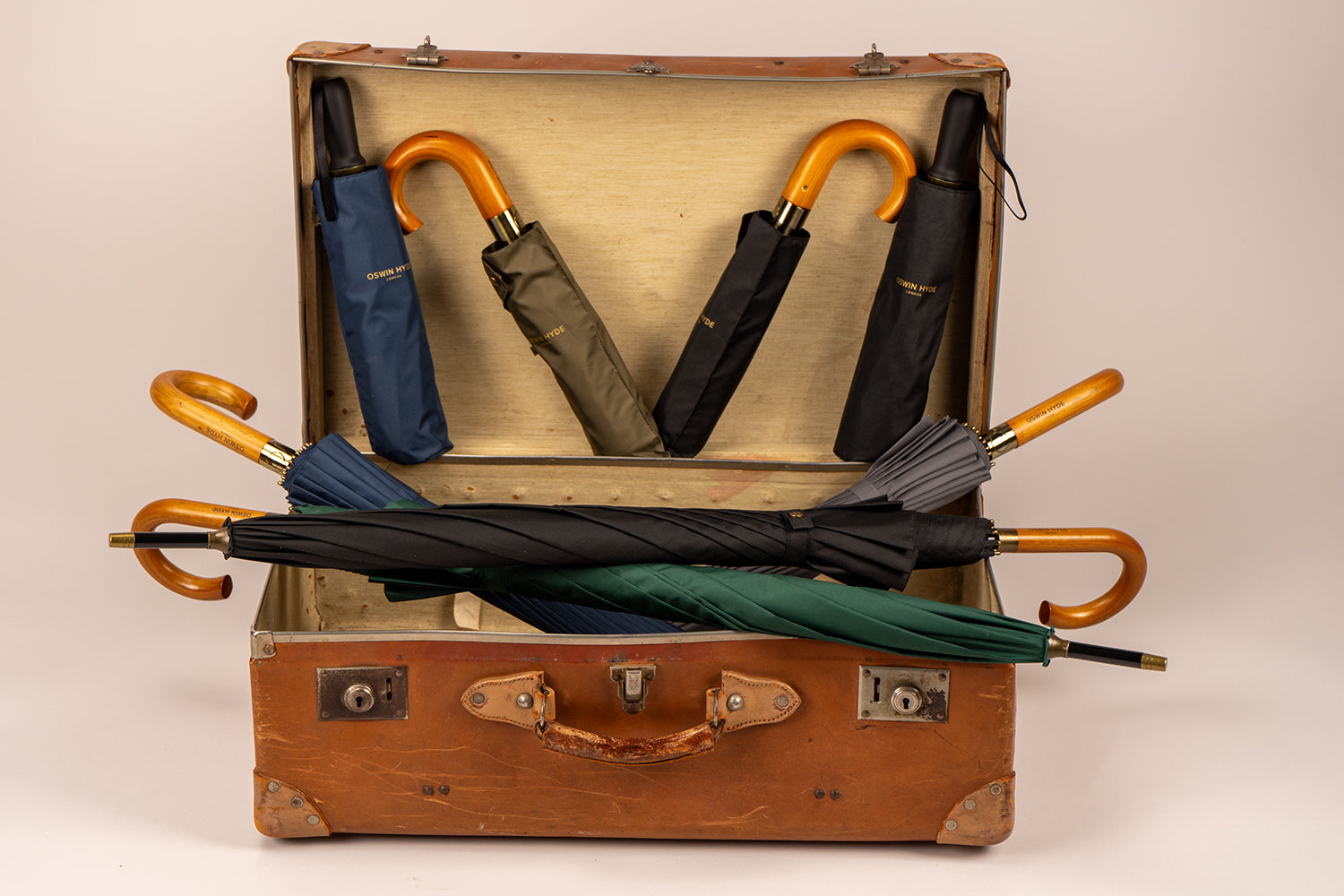
| Stick (walking-length) | 110–120 cm | Everyday use; strongest frame, best coverage | Joseph, Ivan, Jaxon |
| Folding (compact) | About 100–105 cm | Bags, travel, commuting | Jasper, Ian |
| Golf (double canopy) | 130 cm+ | Maximum coverage, open ground, strong wind | Justin |
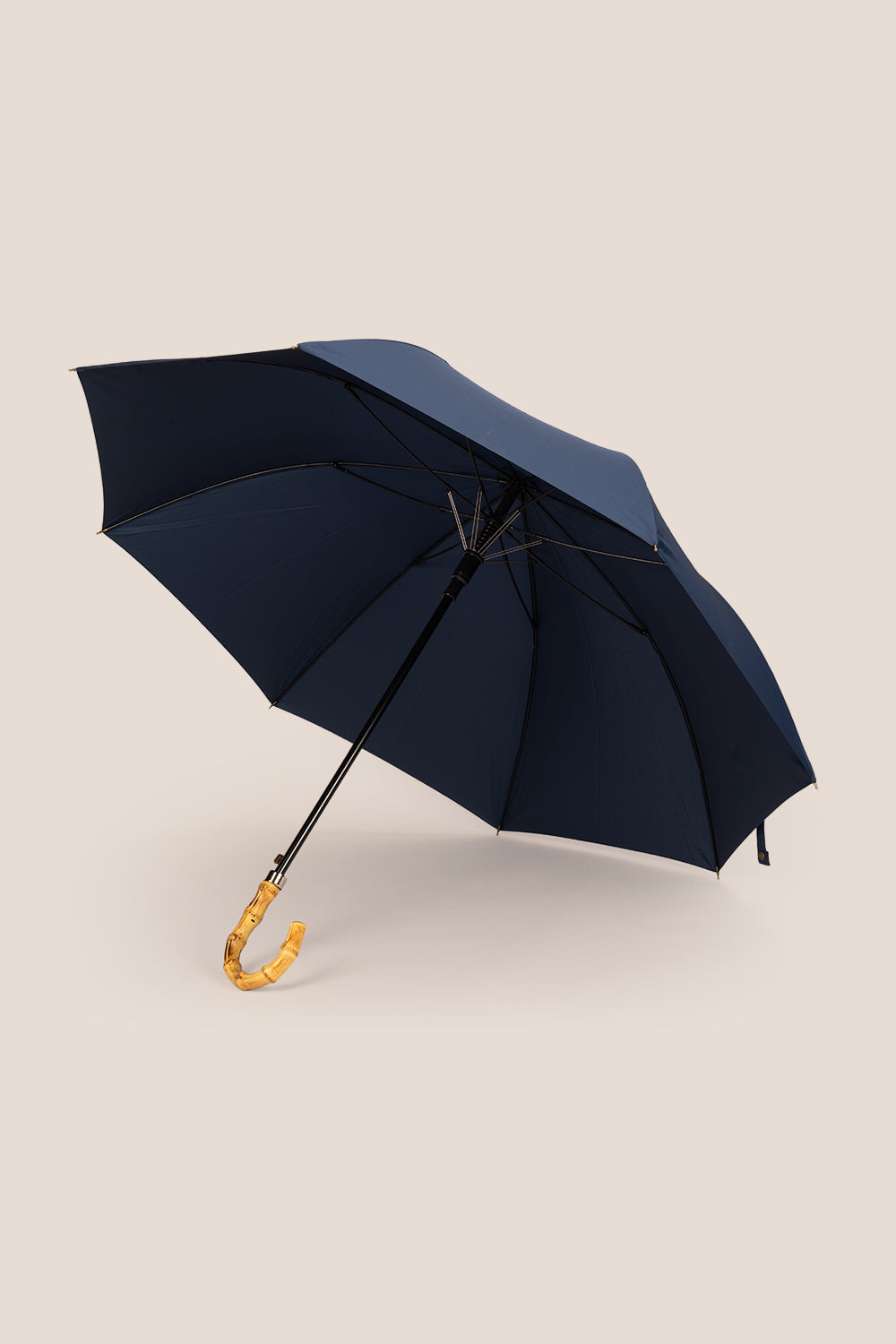
| Bamboo handle | Full-size | A classic look with a natural grip | Jonathan |
Other types you will see include bubble umbrellas (clear, dome-shaped), inverted or reverse-closing umbrellas (which fold the wet side inwards) and patio or parasol umbrellas for outdoor furniture. For keeping dry on the street, a stick, folding or golf umbrella is what you need.
What makes a good umbrella
Frame and ribs
The frame decides whether an umbrella survives a gust. Fibreglass ribs flex and spring back; cheap steel ribs bend and stay bent. More ribs spread the load: 8 ribs is standard, while 16 or 24 ribs give a rounder canopy and more strength. The Joseph has 24 hand-linked fibreglass spokes and a 112 cm canopy.
Canopy fabric
Pongee is a dense, soft polyester weave that sheds water quickly and dries fast. The thread count is shown as a "T" number: 190T is good, and 210T–240T is denser and more water-resistant. The Ivan uses a 240T pongee canopy.
Windproof design
"Windproof" usually means a flexible frame that can invert and recover without damage. Double-canopy umbrellas add vents that let gusts pass through; the Justin has a 130 cm vented double canopy.
Handle and shaft
A solid wooden or bamboo handle is comfortable, strong and looks smart; a crook handle can be hooked over your arm. Check the shaft is metal or fibreglass rather than thin, hollow steel.
Opening mechanism
Auto-open and auto-close, found on the Jasper and Ian folding umbrellas, let you open and close with one hand when getting in and out of cars and doorways.
Which umbrella fabric offers the best UV protection?
Dark, densely woven canopies block the most sunlight. Standard polyester and pongee block a large share of UV, and canopies with a UV coating, often silver or black on the inside, block more. If sun protection is your priority, look for a stated UPF 50+ rating. For rain, a dense pongee canopy is the most important feature.
Stick vs folding umbrella
| Stick umbrella | Folding umbrella | |
| Strength | Stronger, one-piece shaft | More joints, so less rigid |
| Coverage | Larger canopy | Smaller canopy |
| Portability | Carried separately | Fits in a bag |
| Best for | Walking, commuting in heavy rain | Travel, back-up in your bag |
Many people own both: a stick umbrella for rainy days and a folding one in the bag for surprises.
Is a luxury umbrella worth it?
A cheap umbrella often lasts one windy afternoon. A better umbrella costs more once but lasts for years, thanks to a flexible frame, a dense canopy and a solid handle. It also looks smarter with a suit or overcoat. Care makes a difference too: see our umbrella care, storage and repair guide.
A short history of the umbrella
Umbrellas began as sunshades in ancient Egypt, China and Assyria, where they were a sign of rank. Waterproofed umbrellas were used in China, and the rain umbrella became common in Europe in the 18th century. In London, Jonas Hanway famously carried one in public in the 1750s, when umbrellas were still thought of as a woman's accessory. The folding steel-ribbed frame followed in the 19th century.
Frequently asked questions
What is the best umbrella for wind?
One with a flexible fibreglass frame, ideally with more ribs or a vented double canopy, so it bends and recovers rather than breaking.
What size umbrella do I need?
About 100–105 cm for a compact folding umbrella, 110–120 cm for a full-size stick umbrella, and 130 cm or more for a golf umbrella that covers two people.
What is the best fabric for an umbrella?
Densely woven pongee or polyester. A higher thread count, such as 210T–240T, is more water-resistant and dries faster.
Are stick umbrellas better than folding ones?
Stick umbrellas are stronger and cover more. Folding umbrellas are more portable. Choose based on whether you carry it every day or keep it in a bag.
How does an umbrella work?
A central shaft supports a runner that slides up to push stretchers outwards, which open the ribs and pull the canopy taut. A spring catch holds it open.
When were umbrellas invented?
Sunshade umbrellas date back thousands of years in Egypt and China. Rain umbrellas became common in Europe in the 18th century.
Shop the pieces in this guide: umbrellas · gifts for him · accessories
Read more
How to choose a leather wallet, card holder or passport holder, leather finishes explained, and how to care for leather accessories.
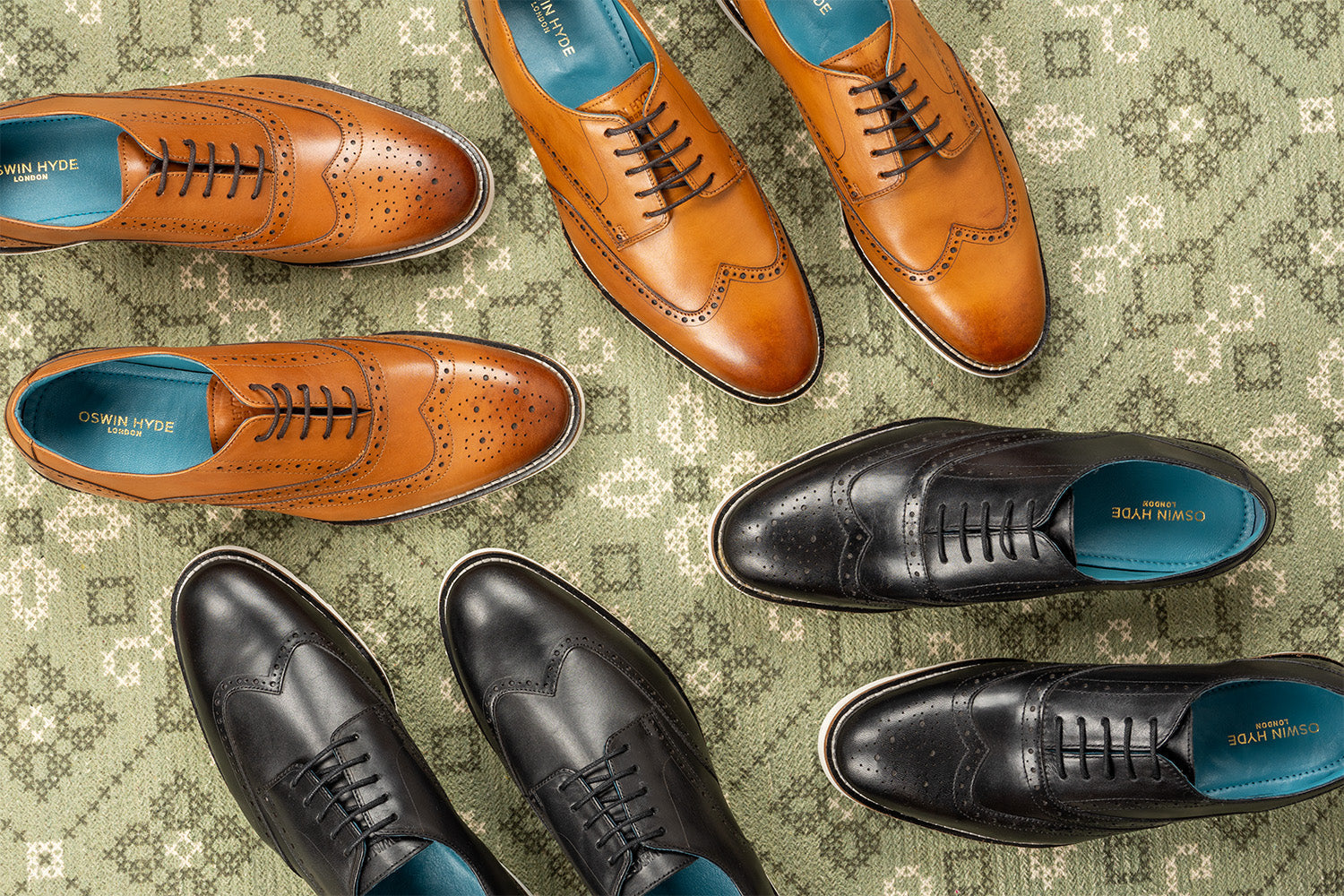
How to clean, condition, polish and protect leather and suede shoes, plus shoelaces, shoe trees and repairs.
Leave a comment
All comments are moderated before being published.
This site is protected by hCaptcha and the hCaptcha Privacy Policy and Terms of Service apply.