






How Oxford Shoes Became Timeless Classics
Few shoes say “understated refinement” like the Oxford. From boardrooms to weddings, the Oxford’s clean lines and quiet authority have made it a staple of the well-dressed man — but how did a simple laced shoe become a symbol of classic style? At Oswin Hyde we often get asked this, so here’s a concise look at the history, the design features that matter, and why the Oxford endures.
A brief origin story
The Oxford’s roots trace back to elite British and European footwear in the 19th century. It evolved from the side-laced boots favoured by the gentry — often known as Balmoral boots — into a lower, closed-laced shoe that offered a sleeker silhouette. Its name is commonly linked to the universities of Oxford and Cambridge, where the style was adopted by students as a smarter alternative to more cumbersome boots. Over time, tailors and shoemakers refined the shape, bringing it into mainstream formalwear.
-
Evolved from side-laced boots (Balmoral) into a low, closed-laced shoe
-
Associated with Oxbridge students and upper-class tailoring
-
Refined by shoemakers into the polished styles we wear today
Design that defines formality
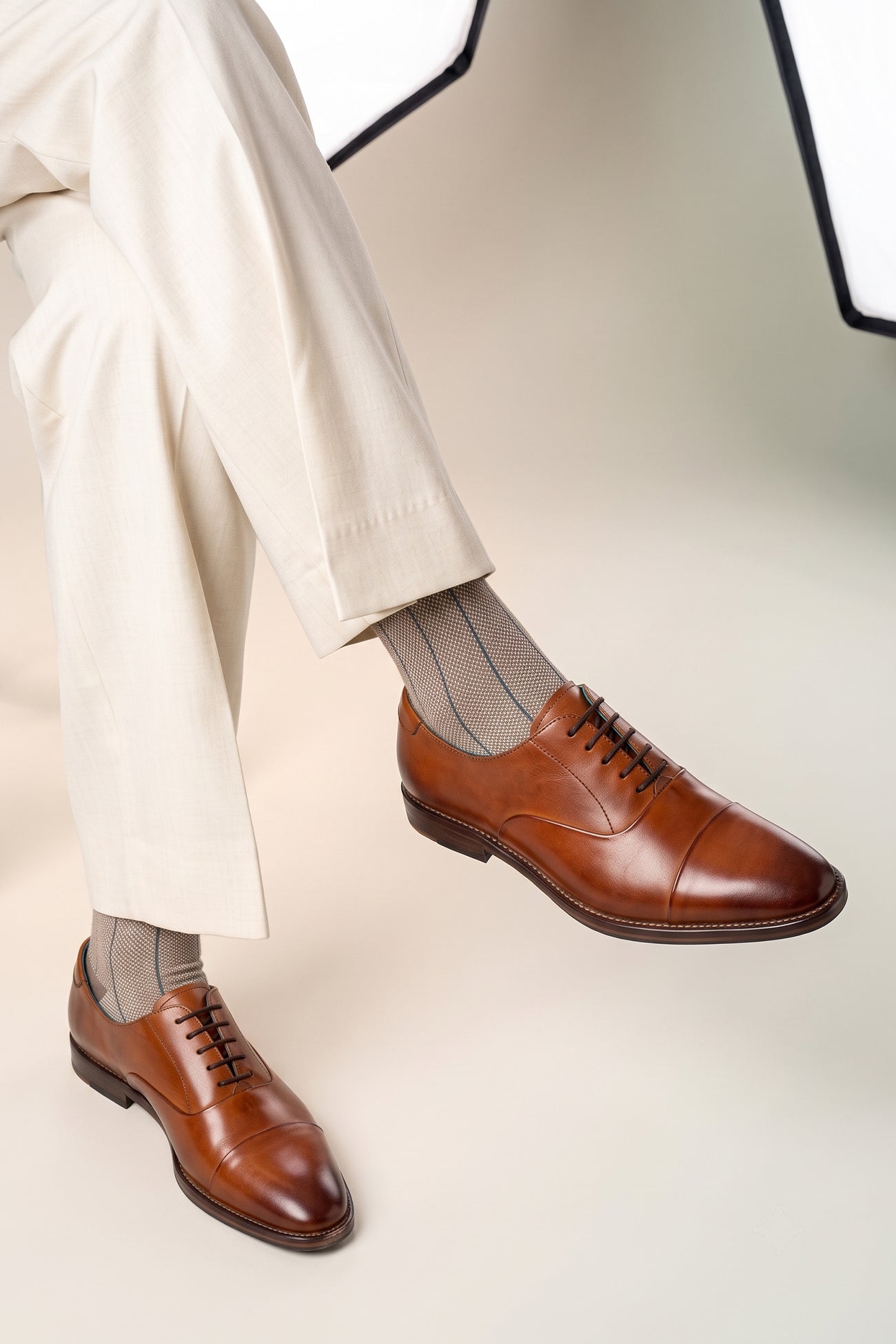
What makes an Oxford unmistakeable is its closed lacing — the eyelet tabs are stitched under the vamp, producing a tight, elegant throatline when laced. Within the Oxford family there are useful sub-types:
-
Cap-toe Oxford — the most classic, ideal for business and formal wear
-
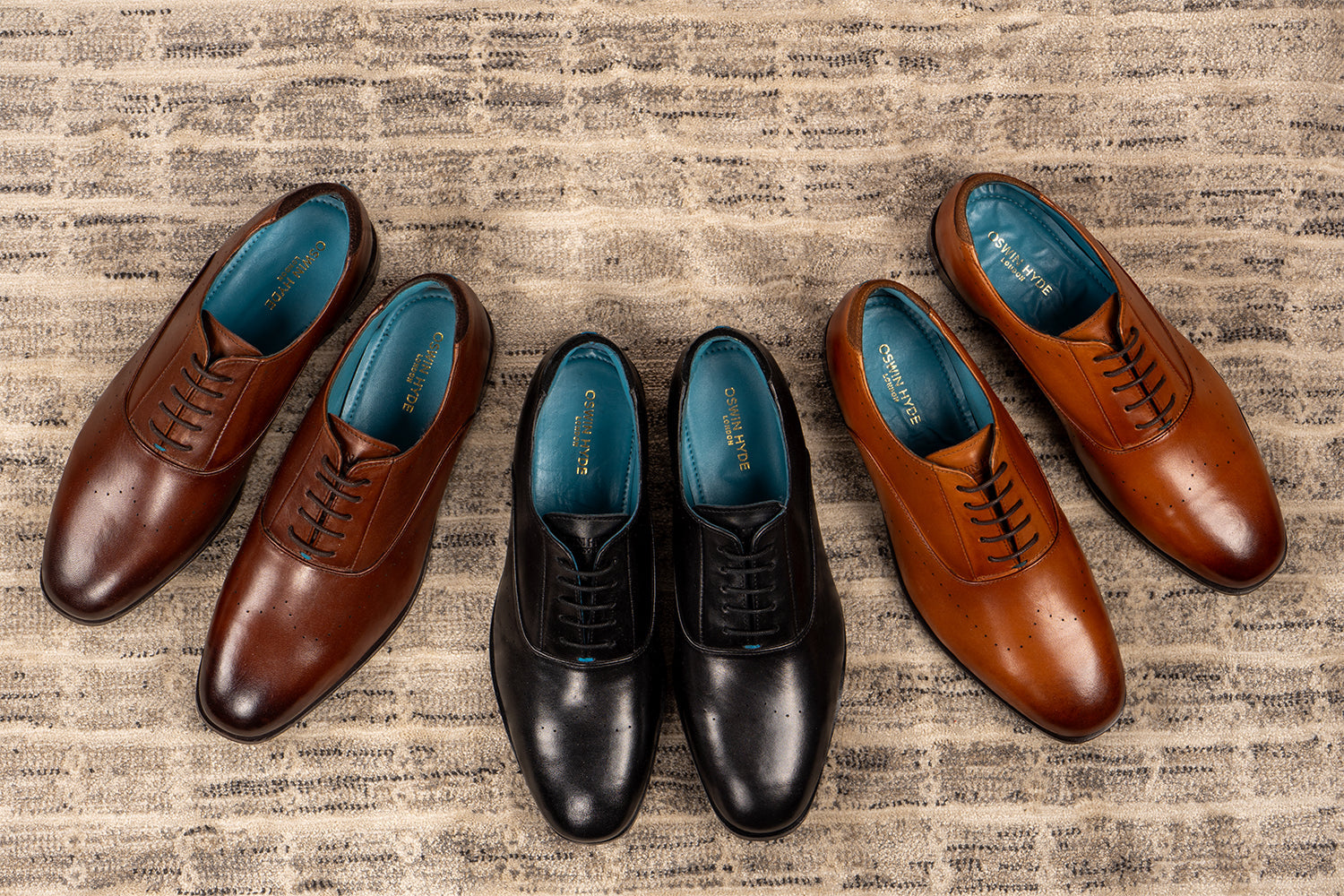
Plain/wholecut Oxford — minimalist and refined, made from one or few leather pieces
-
Wingtip/oxford with brogueing — adds decorative detail while retaining formality
Each variant keeps the Oxford’s core virtue: restraint. That restraint is precisely why it sits at the top of formal footwear choices.
Why Oxfords stood the test of time
Several factors explain the Oxford’s longevity:
-
Versatility: black Oxfords read as the most formal, while brown or tan versions adapt to daytime smart wear.
-
Craftsmanship: high-quality leather, precise lasts and methods like Goodyear welting allow repair and resoling — meaning Oxfords improve with care.
-
Cultural currency: from diplomats to debaters, the shoe carries cultural associations of seriousness and taste.
-
Silhouette: the clean, unobtrusive profile complements tailored clothing without competing with it.
-
Practical enough for everyday office use yet dignified enough for formal events
-
Repairable construction means a good pair is a long-term investment
How to wear and care for yours
The Oxford’s strengths are best realised when you match them thoughtfully and maintain them properly.
-
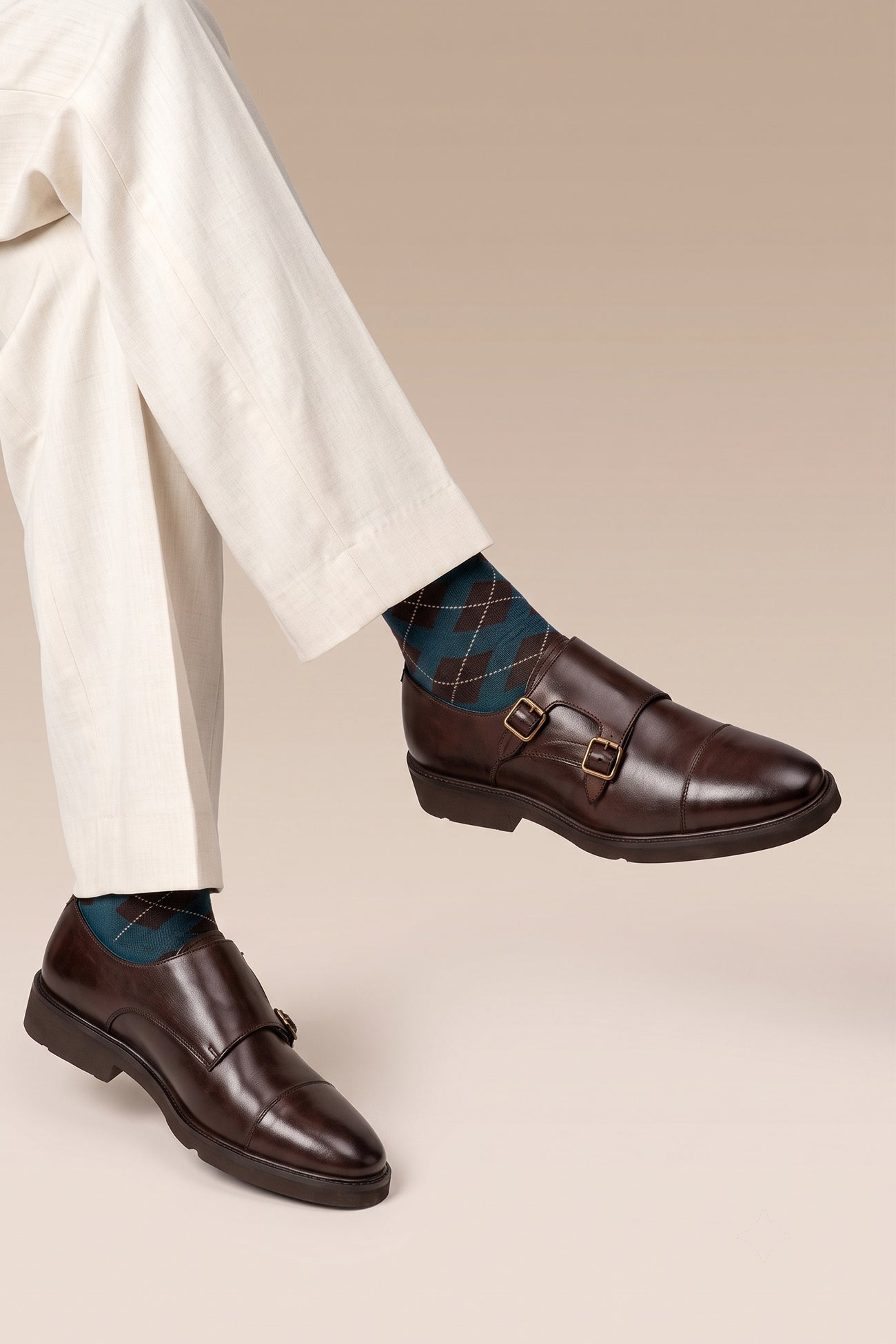
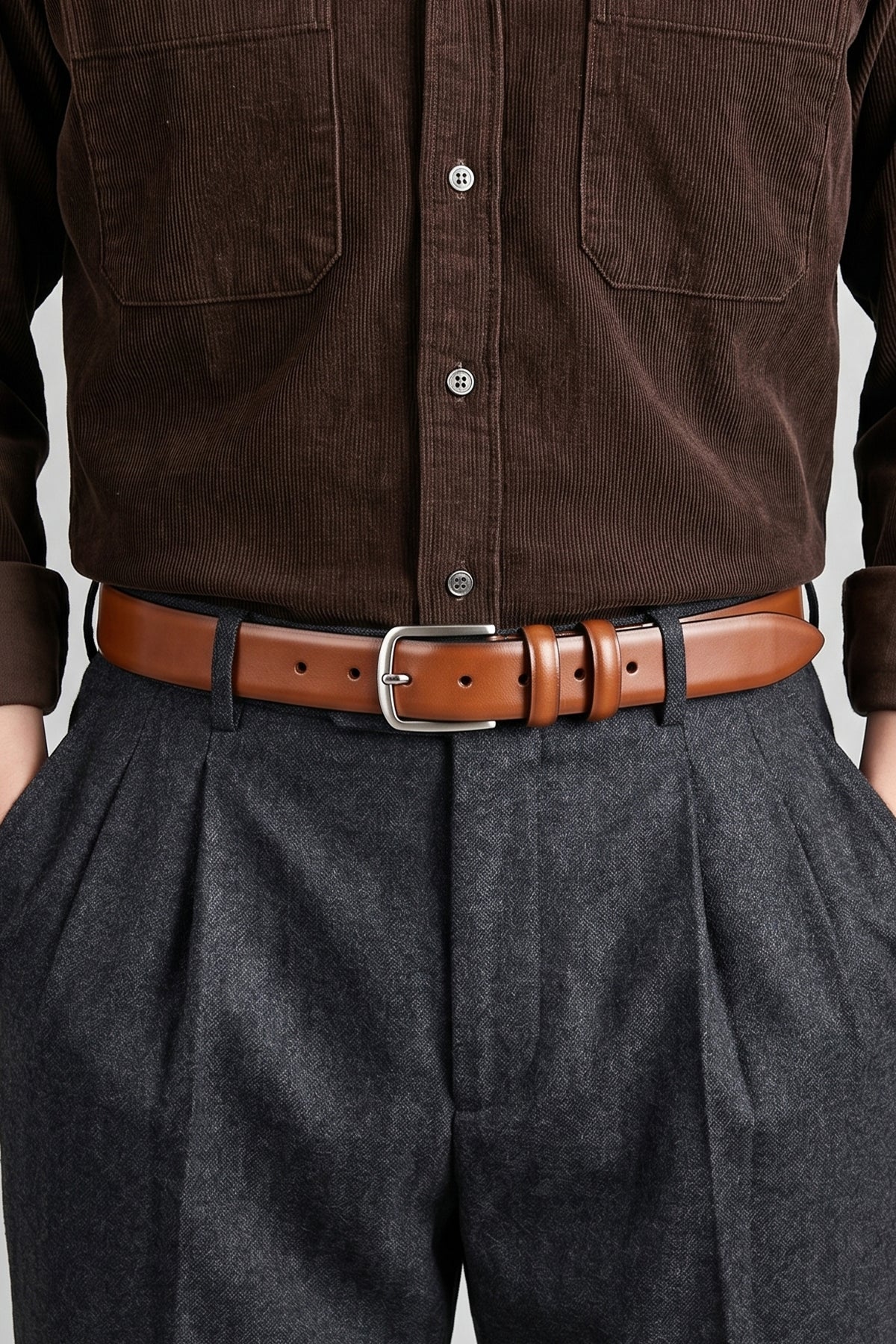
Wear with: tailored suits, smart trousers, or even for polished evening looks — pair with a matching leather belt and well-chosen socks.
-
Care well: regular cleaning, conditioning and polishing preserve the leather and shine; use shoe trees to retain shape and explore our shoe-care collection for recommended products.
-
Choose construction: if you want longevity, opt for welted or stitched constructions that can be resoled.
Final word
The Oxford endures because it perfectly balances form and function: elegant enough for the most formal moments, discreet enough for daily wear, and robust enough to be a genuine wardrobe investment. For men who prize timeless style, a well-made pair of Oxfords — like those in our Oxford collection — remains essential.
Read more
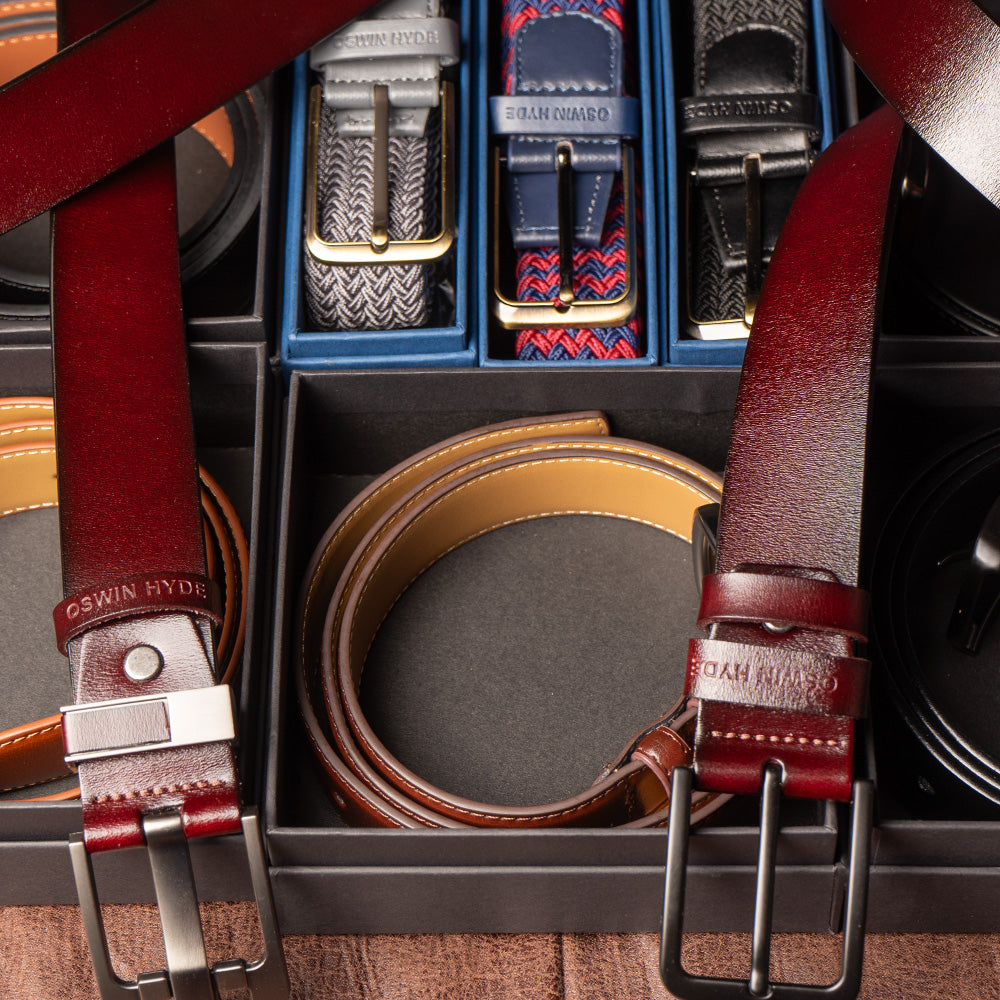
A belt might seem like a small accessory, but for the discerning gentleman, it’s a critical piece in the style puzzle. While formal belts have their place in business and black-tie attire, the casu...
Men’s socks are a fundamental part of any wardrobe, but they’re often overlooked when it comes to proper care. At Oswin Hyde, we believe every detail matters—from your shoes to the socks you wear b...
Leave a comment
All comments are moderated before being published.
This site is protected by hCaptcha and the hCaptcha Privacy Policy and Terms of Service apply.