


The Return to the Office: Mastering the "New Smart" Dress Code for 2026
Let us have a very frank conversation about what is happening in British offices right now. If we look back to the pre-2020 corporate landscape, the rules were rigid, boring, but undeniably easy to follow. You bought a navy or charcoal worsted wool suit, a rotation of five pale blue or white poplin shirts, a handful of silk ties, and a pair of black leather Oxford shoes. You put on your uniform, you went to the office, and you didn't have to think about it.
Then came the great disruption. We spent two years in sweatpants. When the dust settled and companies demanded a return to the office, a sartorial panic ensued. Men outright refused to go back to the stiff collars and rigid tailoring of 2019, but arriving at a boardroom in the hoodies and running shoes of 2021 was deemed unacceptable.
And so, we arrived at the current era of 2026: The "New Smart."
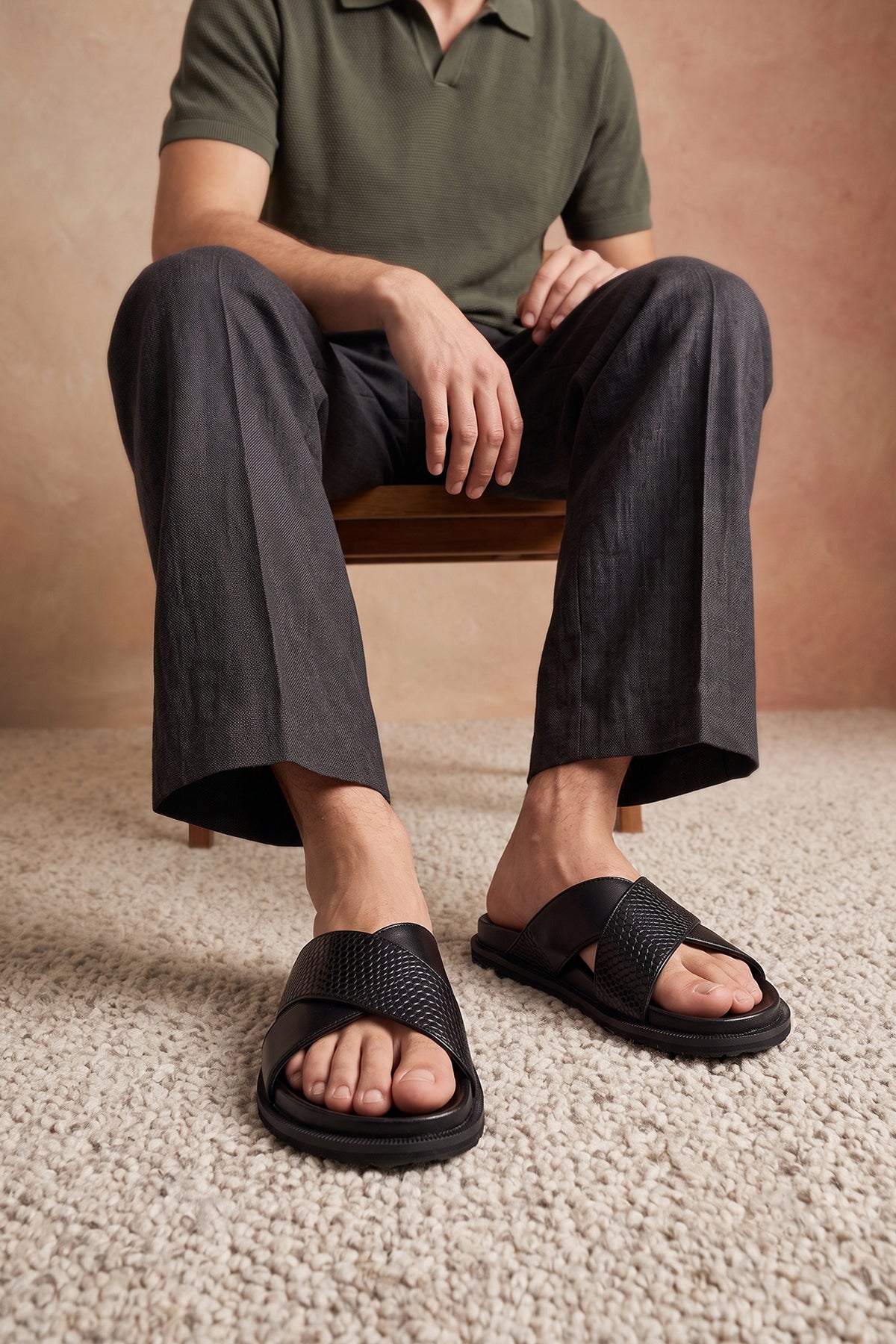
The New Smart is a dangerous landscape. It is a dress code defined not by what you must wear, but by what you can get away with. It is about relaxed tailoring, high-quality textures, and blending formal silhouettes with casual comfort. But the margin for error is vast. The easiest place to completely ruin a New Smart outfit is from the ankles down.
At Oswin Hyde, we have watched men struggle to navigate this transition. We see men wearing heavily padded running trainers with tailored trousers (a visual disaster), or conversely, clinging to highly polished, rigid formal shoes while wearing casual chinos (which looks like you forgot your gym shoes and had to borrow your dad's).
If you are navigating the modern hybrid office, you need a complete footwear reset. Your wardrobe requires versatility, comfort, and quiet authority. Here is your definitive, 2500-word masterclass on building the ultimate New Smart office footwear rotation.
The Demise of the Stiff Oxford in the Modern Office
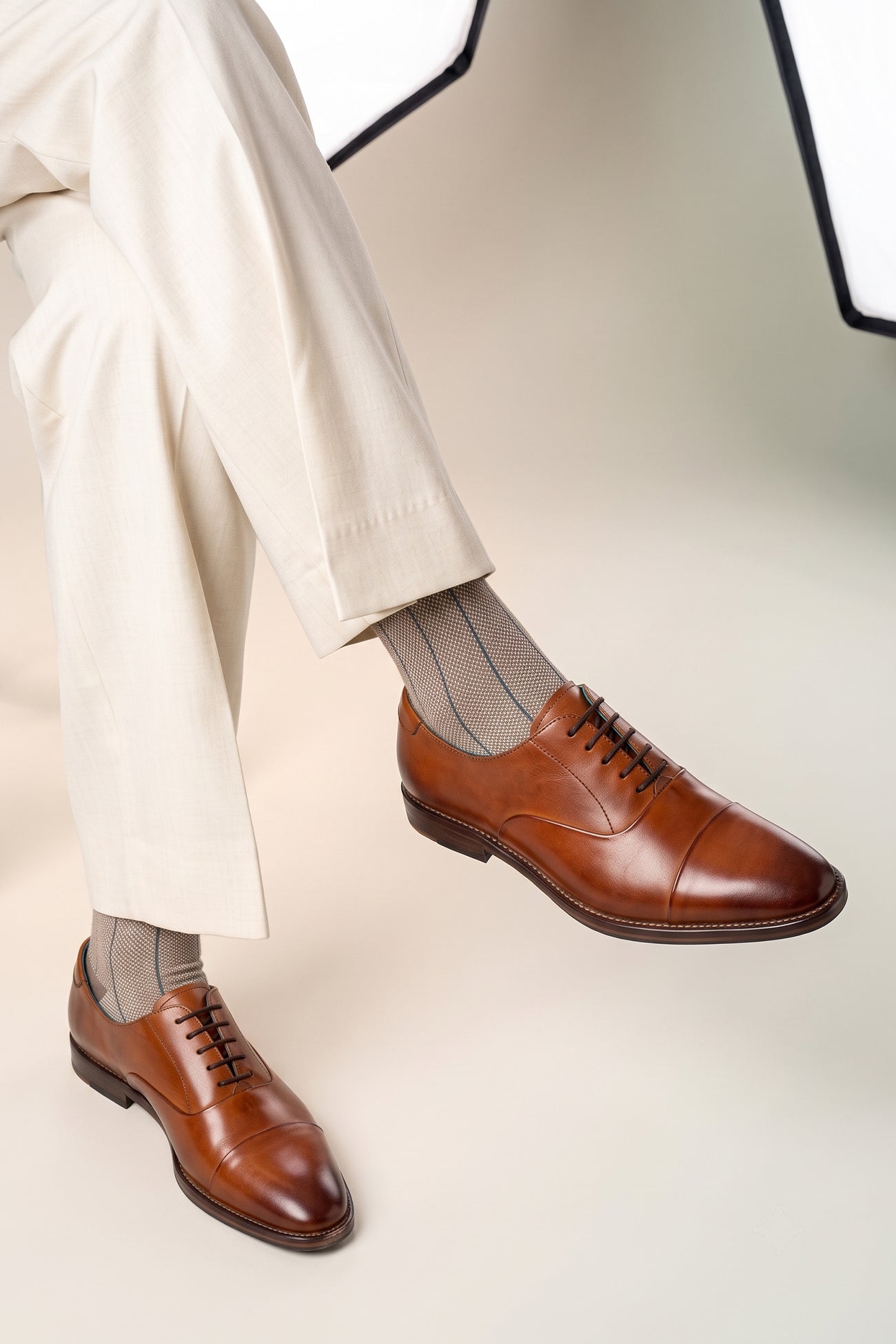
Let’s start by addressing the elephant in the room: the Black Leather Oxford. For a century, the Oxford was the undisputed king of the British boardroom. Its closed lacing system created a sleek, unbroken silhouette that paired perfectly with a heavily structured suit.
But if you are no longer wearing a tie, and your suit jacket has been replaced by a merino wool quarter-zip or a soft, unstructured blazer, the black Oxford suddenly looks incredibly severe. It looks like you are heading to a funeral or a very strict court appearance. The high shine and rigid structure clash violently with the soft, relaxed fabrics of modern workwear.
Does this mean the Oxford is dead? Absolutely not. It remains the king of Black Tie, weddings, and high-stakes corporate pitches. But as an everyday office shoe? It has been dethroned. You need footwear with more texture, more volume, and more personality.
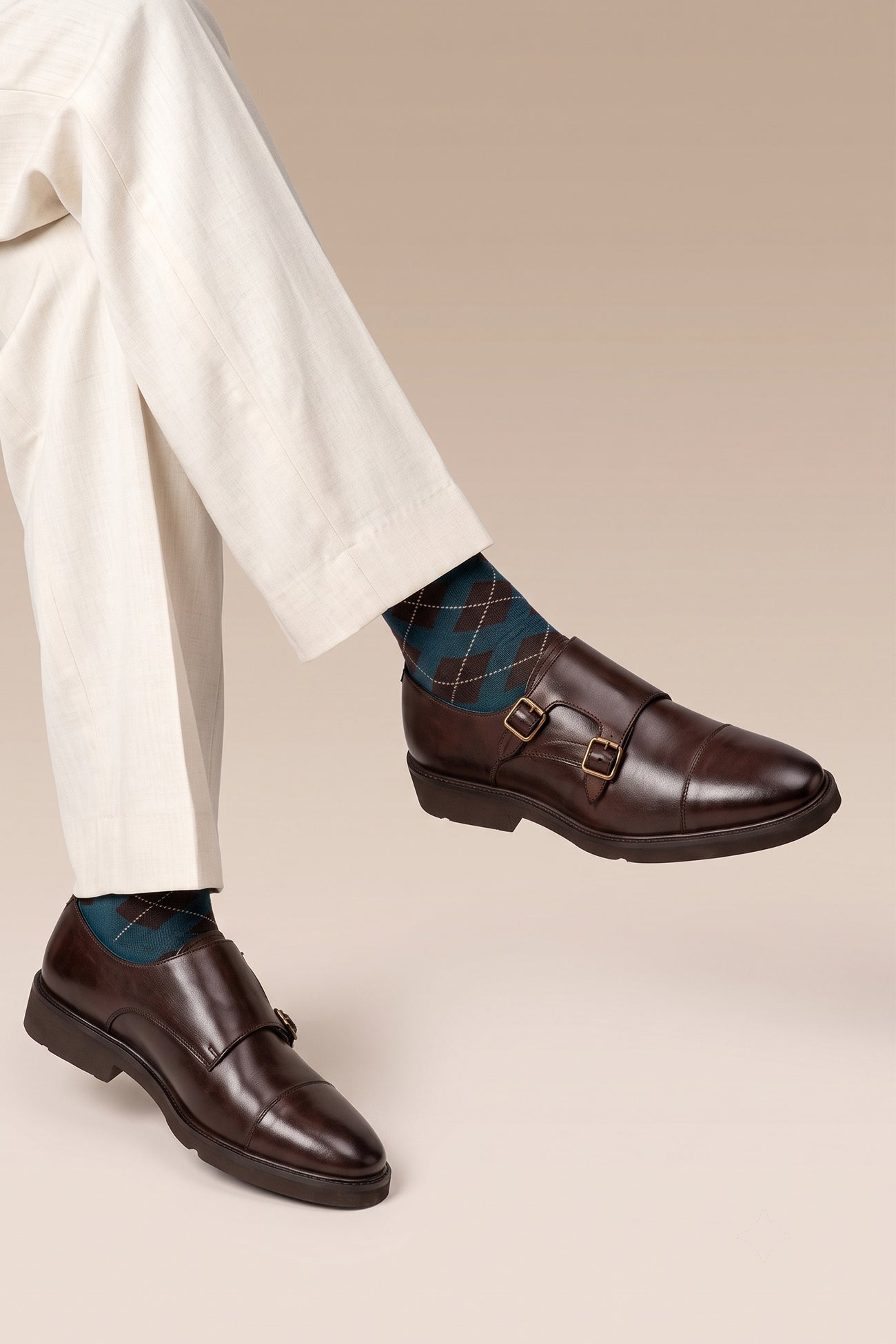
Hero Shoe #1: The Leather Derby (The Workhorse)
If the Oxford is too formal, where do you turn? The answer is the Derby shoe.
To the untrained eye, an Oxford and a Derby look very similar. But the difference lies in the lacing system. An Oxford has "closed" lacing (the bottom of the lacing section is sewn flat under the front of the shoe). A Derby has "open" lacing (the flaps containing the eyelets are sewn on top of the shoe).
This structural difference changes everything. The open lacing makes the Derby slightly chunkier, more robust, and significantly more relaxed. It was originally designed in the 1850s as a sporting and hunting shoe for gentlemen who needed a wider, more forgiving fit.
Why it works for the New Smart: Because the Derby has a slightly heavier profile, it balances out the weight of modern casual office fabrics. If you are wearing heavy cotton chinos, corduroy trousers, or even smart, dark raw denim to the office, a Derby holds its own.
How to wear it: We highly recommend dropping black for your daily office wear and embracing rich browns. A Oswin Hyde Dark Brown Leather Derby is the ultimate workhorse. The dark brown hide pairs flawlessly with navy, olive green, charcoal, and stone-coloured trousers.
-
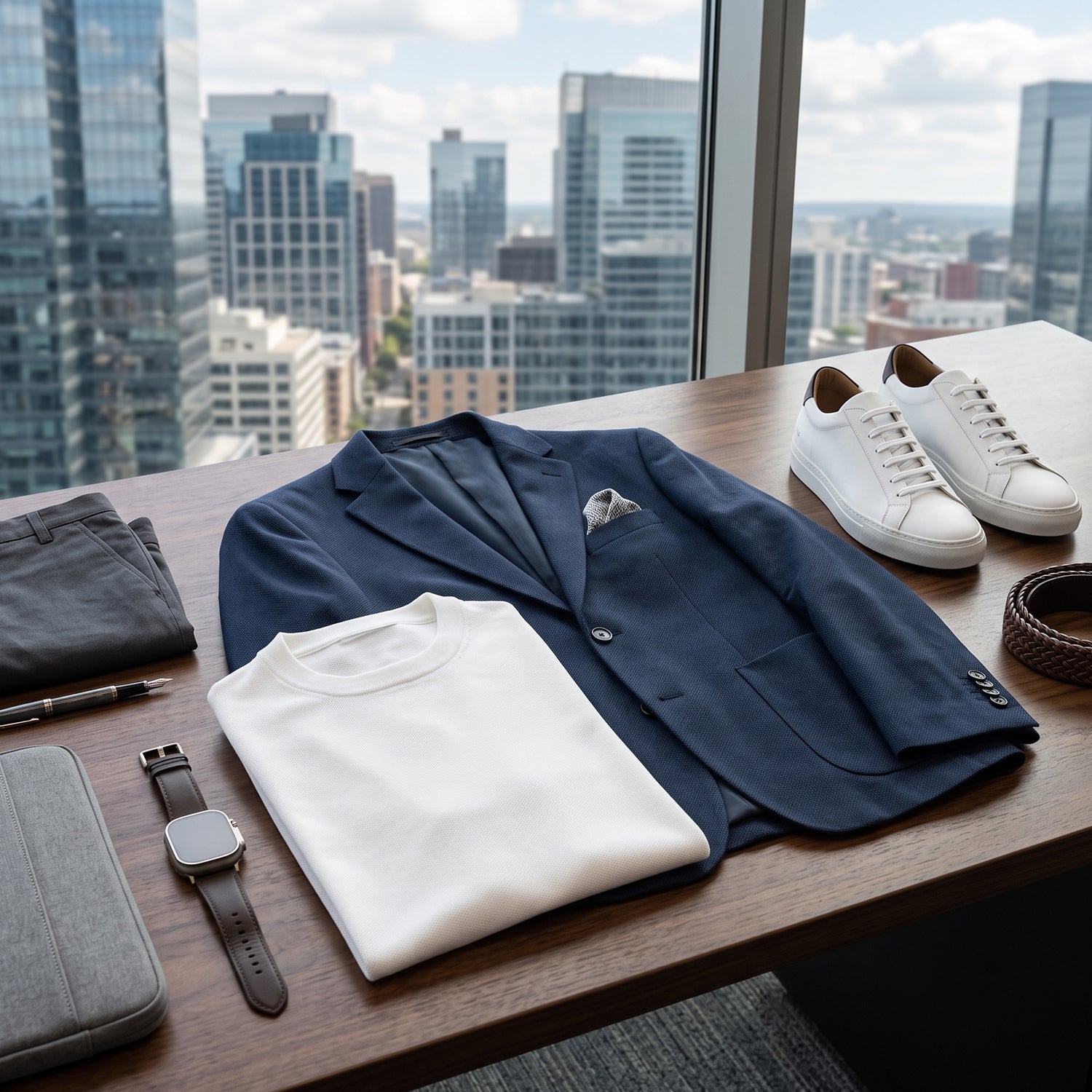
The Outfit: Pair your dark brown Derbies with tailored navy chinos, a crisp white Oxford-cloth button-down (OCBD) shirt, and a unstructured grey herringbone blazer. It is a bulletproof outfit that commands respect but feels as comfortable as weekend wear.
-
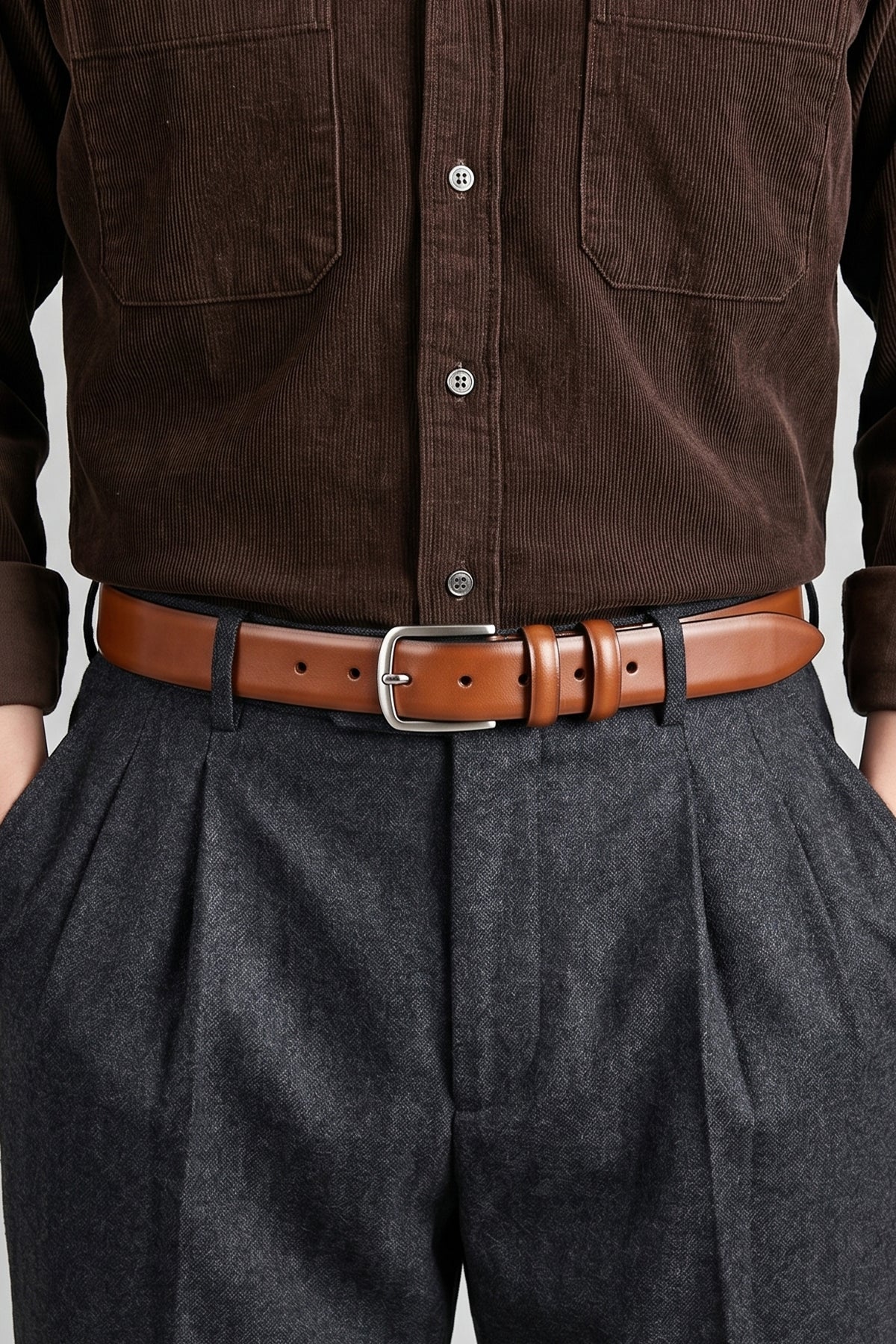
The Belt: Do not ruin this outfit with a mismatched belt. You must pair the shoe with a matching Oswin Hyde Dark Brown Leather Belt.
Hero Shoe #2: The Premium Leather Sneaker (The High-Wire Act)
Can you wear trainers to the office? In 2026, the answer is yes—but with extreme, non-negotiable caveats.
The integration of sneakers into the workplace has led to some of the worst sartorial crimes of the decade. Let me be very clear: you cannot wear your running shoes, your gym shoes, or your chunky "dad" trainers to work. Athletic footwear belongs in the gym. It is made of mesh, neon plastic, and thick rubber air bubbles. When paired with smart trousers, it makes your feet look like cartoon blocks and completely destroys the drape of the fabric.
If you are going to wear trainers to the office, you must wear a Premium Leather Court Sneaker.
Why it works for the New Smart: A leather court shoe (inspired by classic 1970s tennis shoes) strips away all the athletic branding and technical fabrics. What you are left with is a minimalist, low-profile silhouette made from the exact same high-quality calfskin leather used to make our formal dress shoes.
How to wear it: The key to pulling off the office sneaker is immaculateness and tailoring.
-
The Shoe: You need a pristine, unbranded shoe. We designed the Oswin Hyde Premium White Leather Trainer specifically for this purpose.
-
The Condition: They must be flawless. The second a white leather trainer gets scuffed, dirty, or the laces turn grey, it ceases to be "New Smart" and instantly becomes "sloppy." You need to clean them weekly.
-
The Trouser Length: This is where men fail. If your trousers are too long and "break" (spill over) onto your trainers, you look like a teenager in an oversized school uniform. Your trousers must be hemmed to feature "no break"—meaning the hem finishes exactly at your ankle bone, leaving a crisp, clean gap between the trouser and the shoe.
Hero Shoe #3: The Suede Penny Loafer (The Transition Piece)
There is a massive misconception in the UK that loafers are purely for summer holidays in the Mediterranean. This is tragic, because the loafer is arguably the most versatile shoe in a man’s arsenal.
The Penny Loafer, specifically, is a masterpiece of smart-casual design. It features a strap across the vamp with a distinct cutout (where American prep-school students in the 1950s used to keep a literal penny for emergency phone calls). It has no laces, creating a clean, sweeping profile.
Why it works for the New Smart: The loafer sits perfectly on the fence. It is a leather shoe, so it commands respect, but the slip-on nature makes it inherently relaxed. When you choose suede over polished leather, you add a matte texture that perfectly complements the softer fabrics of modern office wear.
How to wear it: A pair of Oswin Hyde Navy Suede Penny Loafers or rich chocolate brown loafers are exceptional office shoes for the spring, summer, and early autumn.
-
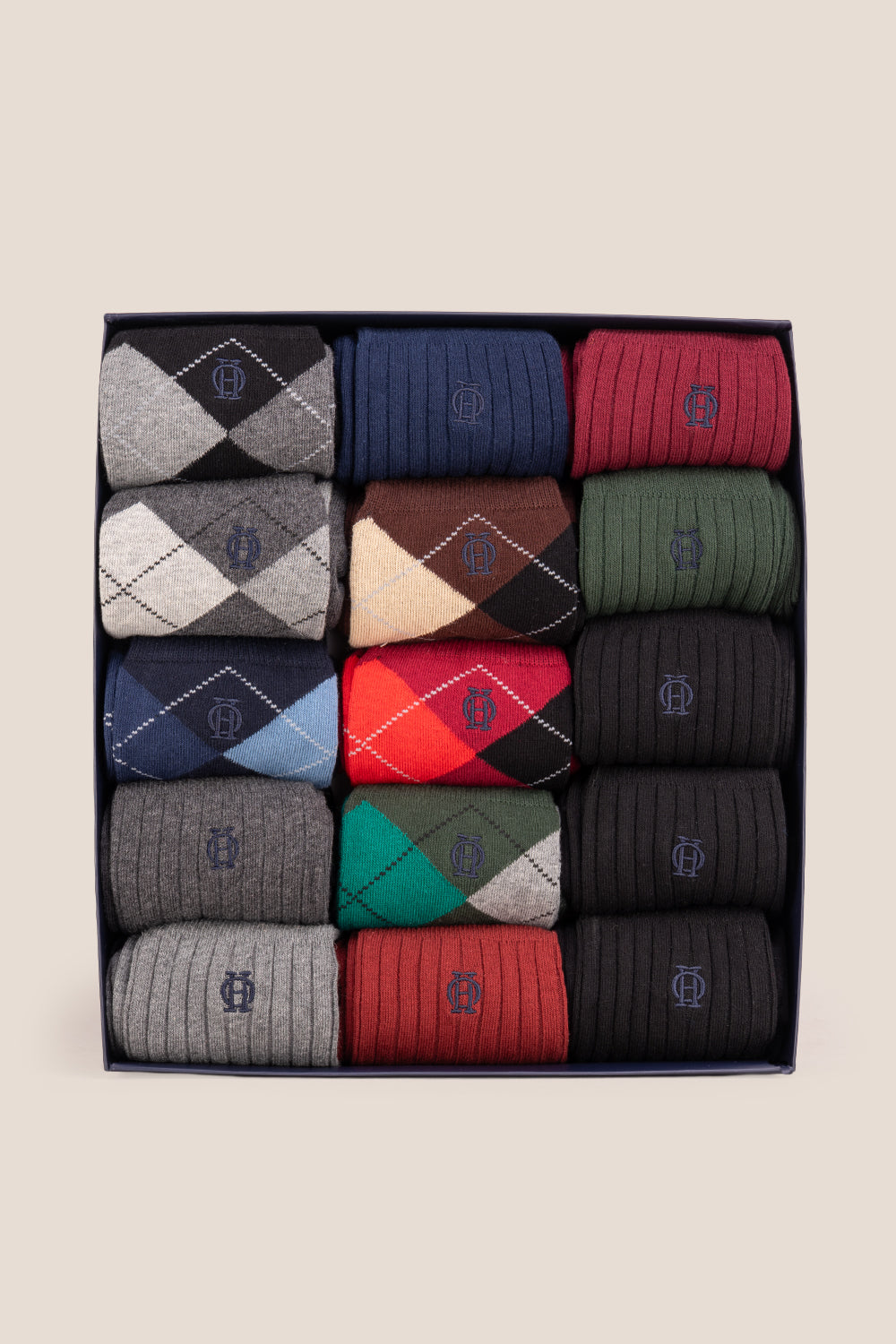
The Sock Situation: In the summer, you can wear them with "invisible" no-show socks to bare your ankles. This signals a relaxed, confident approach to office wear. However, in cooler months, a suede loafer paired with a rich, dark over-the-calf sock (like burgundy or forest green) looks incredibly sophisticated under a grey flannel suit.
-
The Protection: Offices mean coffee spills and rainy commutes. Before you wear suede to work, you must treat them with a protector spray. Grab an Suede Care Kit to ensure your loafers repel water and stains instantly.
Hero Shoe #4: The Chukka Boot (The Winter Warrior)
When November hits and the British weather turns hostile, trainers and loafers are no longer viable options for the commute. But dragging yourself into the office in heavy, lug-soled hiking boots makes you look like you got lost on the way to the Lake District.
You need a shoe that protects your ankles from the freezing rain but looks elegant enough to sit under a tailored trouser. You need the Chukka boot.
Why it works for the New Smart: The Chukka is an ankle-high boot with only two or three eyelets. Because it has so few laces, the vamp (the front of the shoe) is almost completely unbroken, mimicking the sleek profile of a formal shoe. But the higher shaft provides crucial warmth and weather protection.
How to wear it: A Snuff Suede Chukka Boot is the ultimate autumn/winter office shoe. It bridges the gap perfectly.
-
The Sole: For winter office wear, ensure you look at the soles. A flat leather sole will be lethal on wet train station platforms. You want a Chukka with a studded Dainite-style rubber sole. It looks thin and formal from the side, but gives you the grip you need to survive the commute.
The Economics of the Office Rotation
We need to talk about the financial reality of office footwear. The biggest mistake men make is buying one pair of "work shoes" and wearing them five days a week.
If you wear a leather shoe every single day, it will die within a year. Your feet sweat, the leather absorbs that moisture, and if you don't give the shoe 24 hours to dry out, the hide rots from the inside, the stitching degrades, and the shoe loses its shape.
You need a minimum three-shoe rotation for the office.
-
The Derby for crucial meetings and smart-trouser days.
-
The Premium Trainer for casual Fridays or creative brainstorming days.
-
The Loafer or Chukka (depending on the season) to bridge the gap.
By rotating these three shoes, inserting Cedar Shoe Trees the moment you take them off, and giving the leather time to rest, all three pairs will easily last you five to ten years.
The "New Smart" doesn't mean you can stop caring about how you look. It means you have the opportunity to show that you understand texture, silhouette, and appropriateness. Master the footwear, and you will own the office.
Read more
You can buy the most beautiful calfskin upper in the world, but if the sole attached to it doesn't match your environment, the shoe is useless. At Oswin Hyde, we constantly field questions about so...
The world of men’s formal footwear is littered with terminology that confuses even the most well-dressed men. Vamp. Welt. Quarter. Last. But the most common point of confusion—and the area where me...
Leave a comment
All comments are moderated before being published.
This site is protected by hCaptcha and the hCaptcha Privacy Policy and Terms of Service apply.