



The Anatomy of a Quality Shoe: Goodyear Welt vs. Blake Stitch Explained
When you walk into a high-end footwear retailer, or browse a premium brand like Oswin Hyde, you will immediately notice that the prices are significantly higher than the glued, mass-produced shoes found on the high street.
A common reaction is to assume you are simply paying for the brand name or the quality of the leather upper. While premium calfskin is expensive, it is only half the story. The true value, longevity, and structural integrity of a shoe lie entirely in how the top half is attached to the bottom half.
The world of luxury shoemaking is dominated by two primary construction methods: The Goodyear Welt (the British heavyweight) and the Blake Stitch (the Italian featherweight).
If you do not know the difference between the two, you cannot make an informed investment in your wardrobe. Here is your exhaustive, highly technical 2500-word masterclass on the anatomy of shoemaking, and why construction is the only thing that separates a lifelong investment from disposable trash.
The Enemy: Cemented Construction
Before we discuss the premium methods, we must identify the enemy of good shoemaking: Cementing.
If you buy a £50 formal shoe from a fast-fashion retailer, it is cemented. This means the leather (or plastic) upper is simply folded over and glued directly to a rubber sole using industrial adhesive.
-
The Problem: Glue degrades. The heat from your feet, combined with the dampness of British pavements, breaks down the adhesive. Within a year, the sole will begin to peel away from the upper, flapping like a crocodile's mouth when you walk.
-
The Tragedy: Because there is no structural stitching, a cobbler cannot easily or reliably attach a new sole. The shoe is fundamentally dead. You throw it in the bin and buy another one. It is a false economy.
The British Heavyweight: The Goodyear Welt
Invented in 1869 by Charles Goodyear Jr., this method revolutionized shoemaking. It is the gold standard of British Northamptonshire shoemaking, designed specifically to combat wet, miserable weather and provide infinite repairability.
How It Works
The Goodyear Welt is a highly complex, multi-step process.
-
The shoemaker takes the leather upper and stretches it over a wooden foot-shaped mold (the last).
-
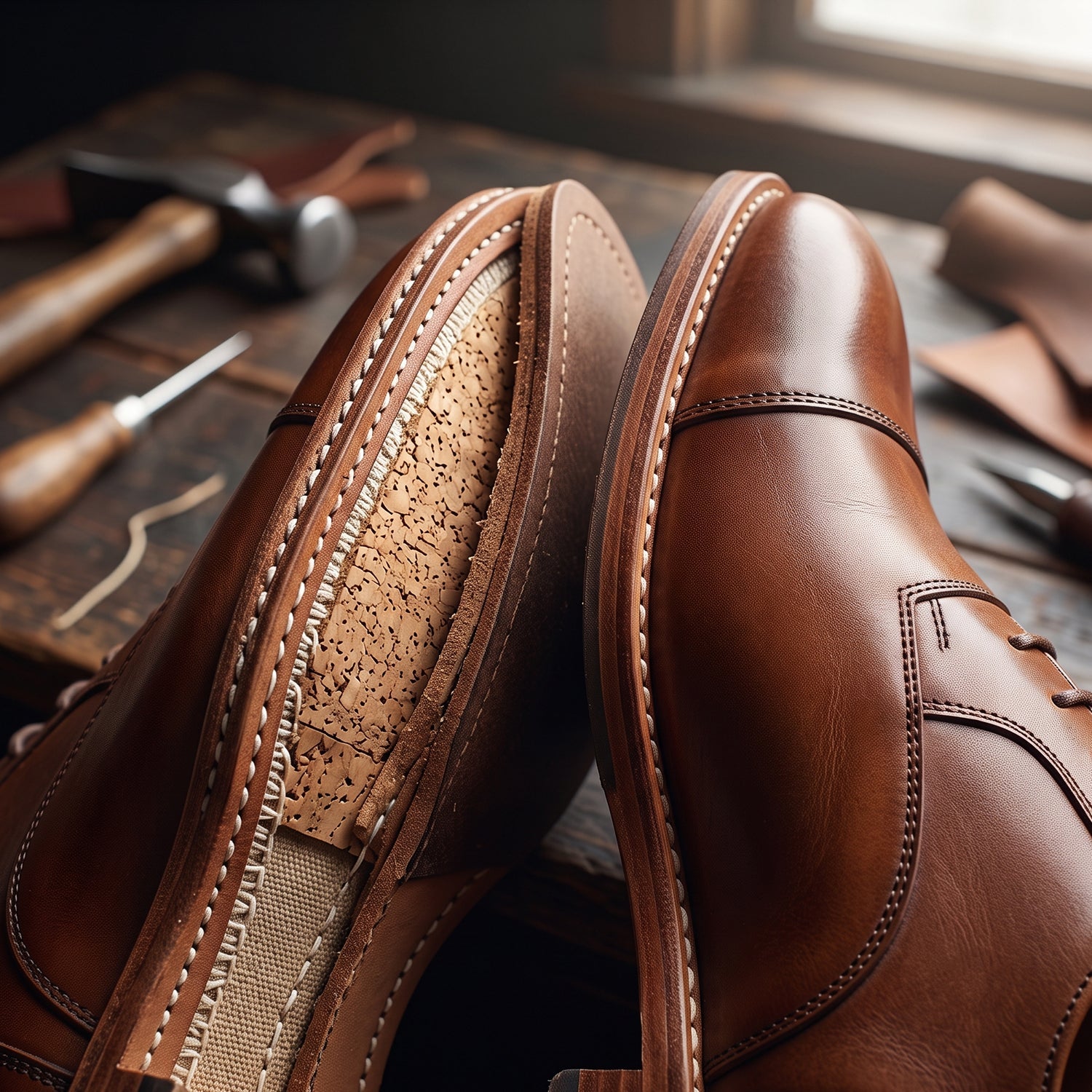
A strip of leather (the "welt") is sewn around the perimeter of the shoe. Crucially, the needle passes through the welt, the upper, and a raised "rib" on the insole. The upper is never sewn directly to the outsole.
-
A thick layer of cork is poured into the cavity created between the insole and the outsole.
-
Finally, a heavy-duty stitching machine sews the outsole directly to the welt.
The Pros of the Goodyear Welt
-
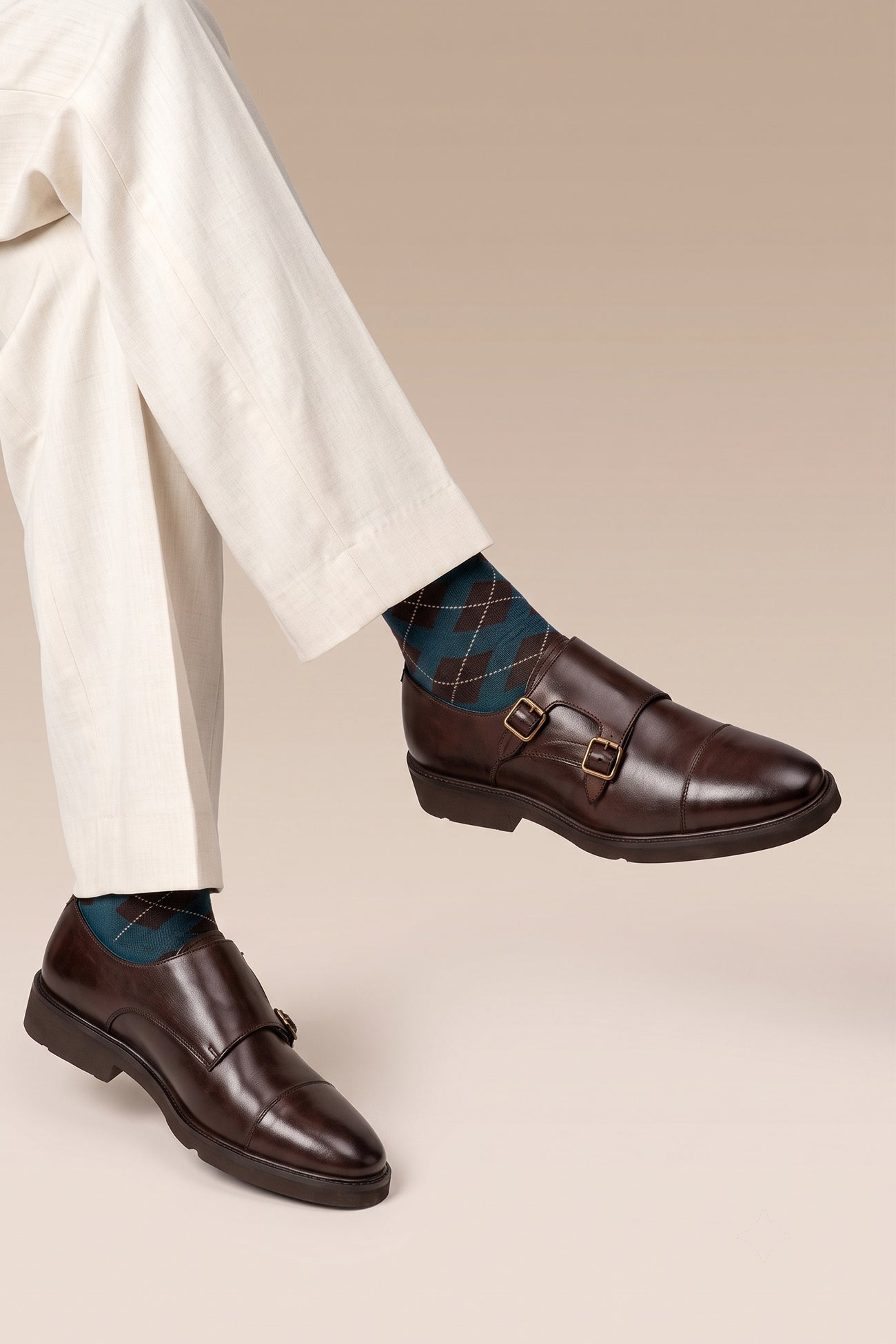
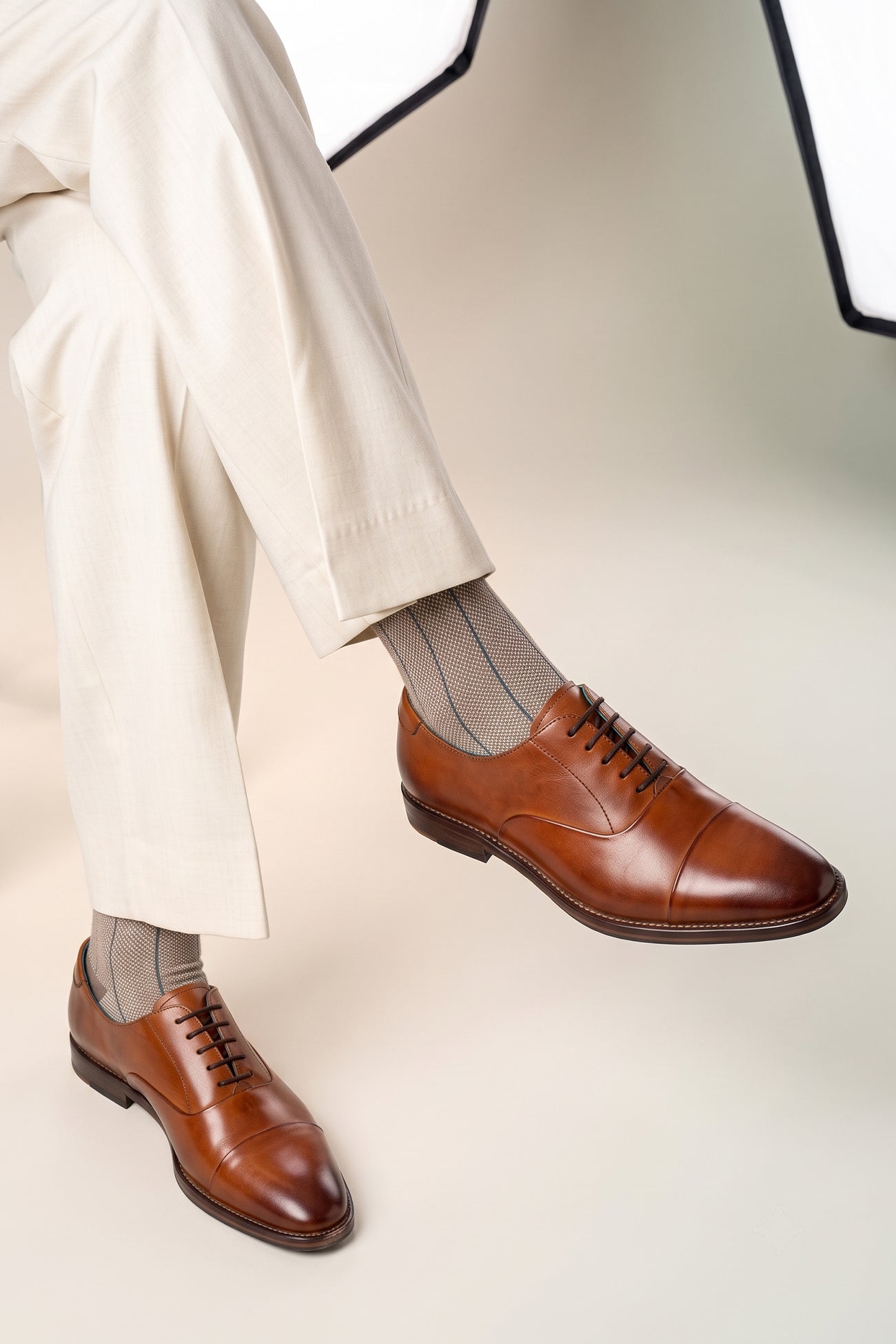
Infinite Resoling: Because the outsole is sewn to the welt (not the upper), a cobbler can slice through the bottom stitch, rip off the old, worn-out sole, and stitch a brand new one onto the existing welt. You can do this endlessly. A Oswin Hyde Stitched Leather Oxford built this way will outlast you.
-
Weather Resistance: Because the upper curves inward and is blocked by the welt, water cannot easily seep into the shoe. It is practically waterproof.
-
The Cork Footbed: Over time, the cork layer inside the shoe heats up and compresses, creating a literal 3D mold of your footprint. It becomes a bespoke orthopedic fit.
The Cons
-
The Break-In: Because of the multiple layers of leather, canvas, and cork, Goodyear-welted shoes are stiff. They require a painful two-week break-in period before they yield.
-
The Bulk: The welt extends slightly beyond the perimeter of the upper, giving the shoe a slightly chunkier, heavier footprint.
The Italian Featherweight: The Blake Stitch
If the British wanted armor against the rain, the Italians wanted flexibility, lightness, and razor-sharp aesthetics. The Blake Stitch delivers this perfectly.
How It Works
Invented in 1856 by Lyman Reed Blake, this construction is beautifully simple. The leather upper is folded under the insole. A specialized machine (the Blake stitcher) reaches directly inside the shoe and sews a single stitch straight through the insole, the upper, and the outsole simultaneously.
The Pros of the Blake Stitch
-
Immediate Comfort: Because there is no thick welt and no cork layer, Blake-stitched shoes are incredibly flexible right out of the box. They require almost zero break-in time.
-
The Sleek Silhouette: Because the stitching is hidden inside the shoe, the sole can be cut incredibly close to the leather upper. This creates a razor-sharp, ultra-slim profile. A sleek Oswin Hyde Leather Loafer constructed this way looks phenomenally elegant under a tailored summer suit.
-
Lightness: They are significantly lighter on the foot, making them ideal for summer weddings or long days on your feet indoors.
The Cons
-
Water Vulnerability: Because the stitch goes directly from the bottom of the sole into the interior of the shoe, water can wick up the cotton thread if you stand in a puddle, leading to damp socks.
-
Resoling Difficulty: While a Blake-stitched shoe can be resoled, it requires a specific Blake machine that not all high-street cobblers possess. It is also slightly more traumatic for the shoe's upper over multiple resoles compared to a welt.
The Final Verdict: Which Do You Buy?
The choice between Goodyear and Blake is not a matter of quality; it is a matter of lifestyle.
-
Choose Goodyear if: You walk to work in the rain, you want a heavy, robust shoe to pair with winter suits and tweed, and you view footwear as a decades-long investment that you plan to resole multiple times.
-
Choose Blake if: You prioritize immediate comfort, you want a razor-sharp silhouette for summer suits and Black Tie events, and you spend most of your time indoors or in dry climates.
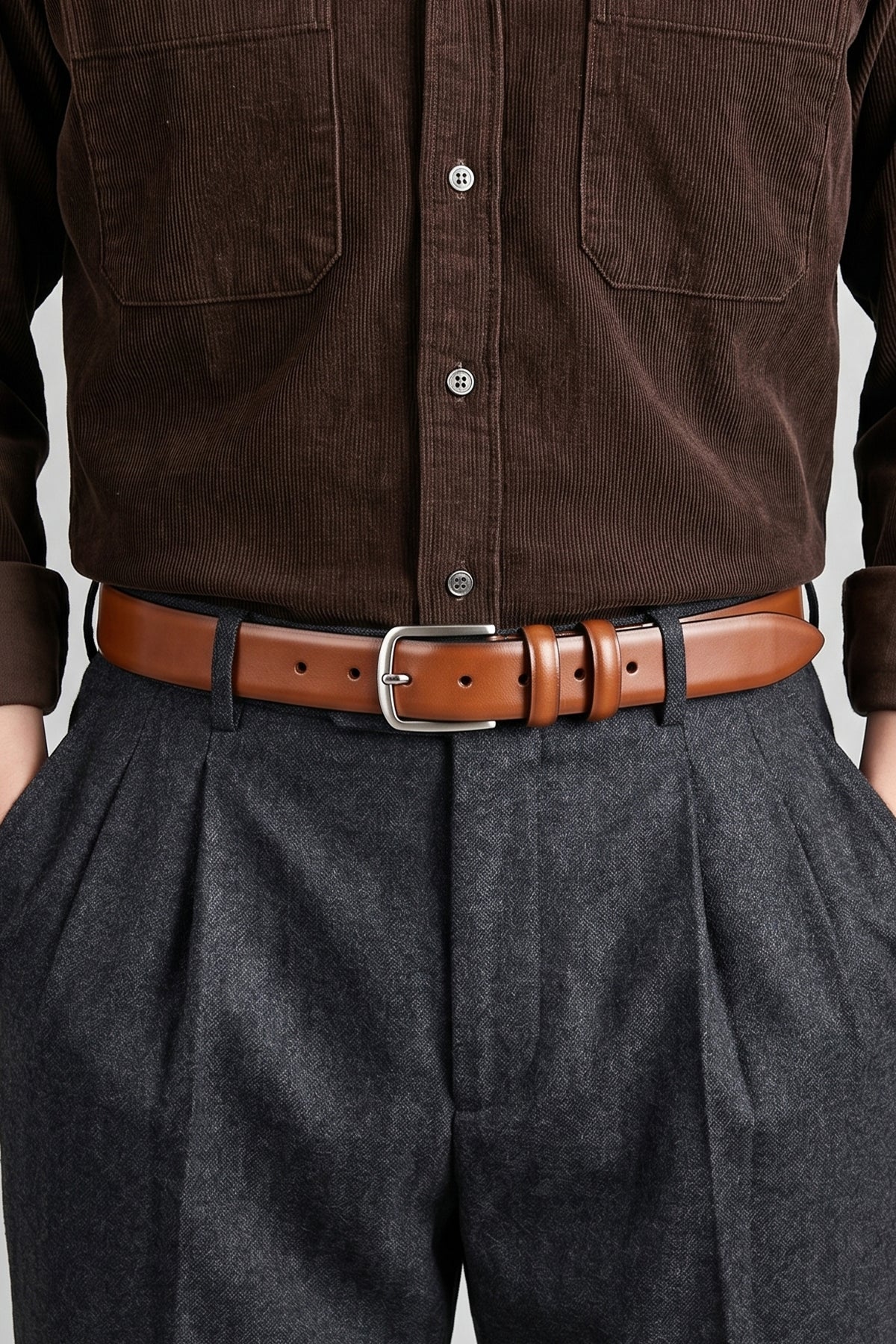
Whichever construction method you choose, ensure you lock the outfit together with a premium Oswin Hyde Leather Belt. Demand quality, understand construction, and stop throwing your money away on glued plastic.
Leave a comment
All comments are moderated before being published.
This site is protected by hCaptcha and the hCaptcha Privacy Policy and Terms of Service apply.