


The British Groom’s Survival Guide: Navigating Men's Wedding Shoes in the UK
Let’s be brutally honest for a second. When we talk about UK weddings, we’re not just talking about saying “I do” and having a bit of cake. We are talking about navigating a logistical, meteorological, and sartorial minefield. You spend months agonizing over the suit, debating lapel widths, and figuring out if you can pull off a double-breasted waistcoat (you probably can, by the way). But then, two weeks before the big day, panic sets in: What on earth am I putting on my feet?
Finding the right mens wedding shoes in the UK isn’t just about looking sharp. It’s about surviving a 14-hour marathon that involves standing on damp church gravel, navigating slick marquee dance floors, and somehow not ending up with blisters the size of two-pound coins.
If you're the groom, your shoes are the anchor of your outfit. Let’s break down exactly what you need to know about buying wedding shoes in Britain, from the soles to the styles, and why the weather should dictate your final choice.
The Reality of the British Wedding Venue
In the UK, your venue completely dictates your footwear. You wouldn't wear Wellington boots to a Mayfair hotel, and you shouldn't wear ultra-slick patent leather to a muddy field in Somerset.
The Stately Home or Country Manor
If you’re getting married somewhere that looks like a set from Downton Abbey or Bridgerton, you’re dealing with a mix of manicured lawns, gravel driveways, and ancient, uneven floorboards.
-
The Vibe: Traditional, weighty, and textured.
-
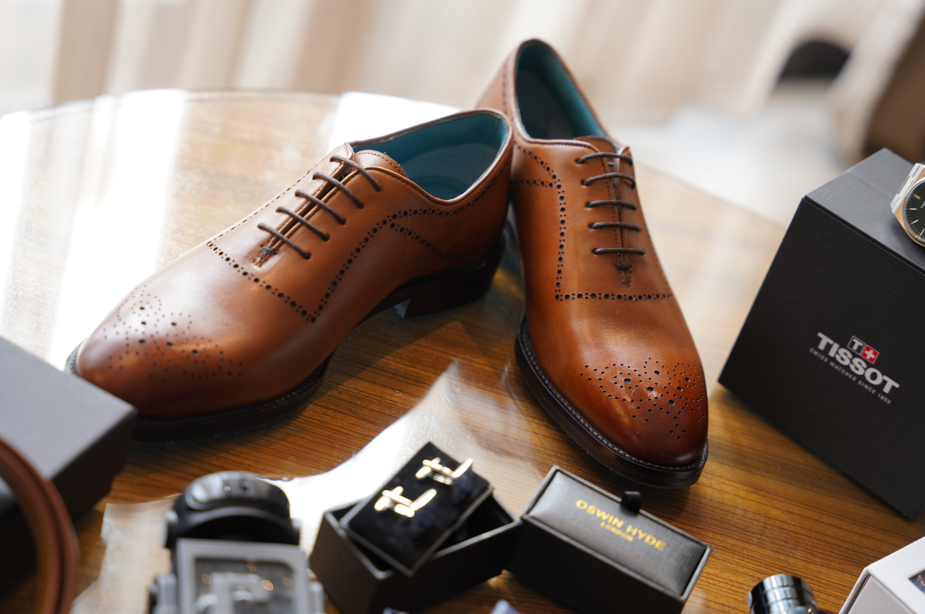
The Shoe: A classic Oxford or a beautifully detailed Brogue. The brogue punching actually has rural origins—it was designed centuries ago by Scottish and Irish farmers to let bog water drain out of their shoes. Today, it just looks incredibly dashing with a tweed or heavy wool suit.
-
The Secret Weapon: You absolutely need to think about your soles. A flat, polished leather sole on damp grass is basically an ice skate. Look for a shoe with a Dainite sole. It’s a studded rubber sole that looks just like a formal leather sole from the side, but gives you the traction you need so you don't slip and break your ankle during the photos.
The City Wedding (Registry Offices and Pubs)
Getting hitched at Marylebone Town Hall followed by a massive knees-up at a trendy East London pub? You can leave the heavy brogues at home. The city wedding is all about sleek, sharp lines.
-
The Vibe: Urban, modern, and razor-sharp.
-
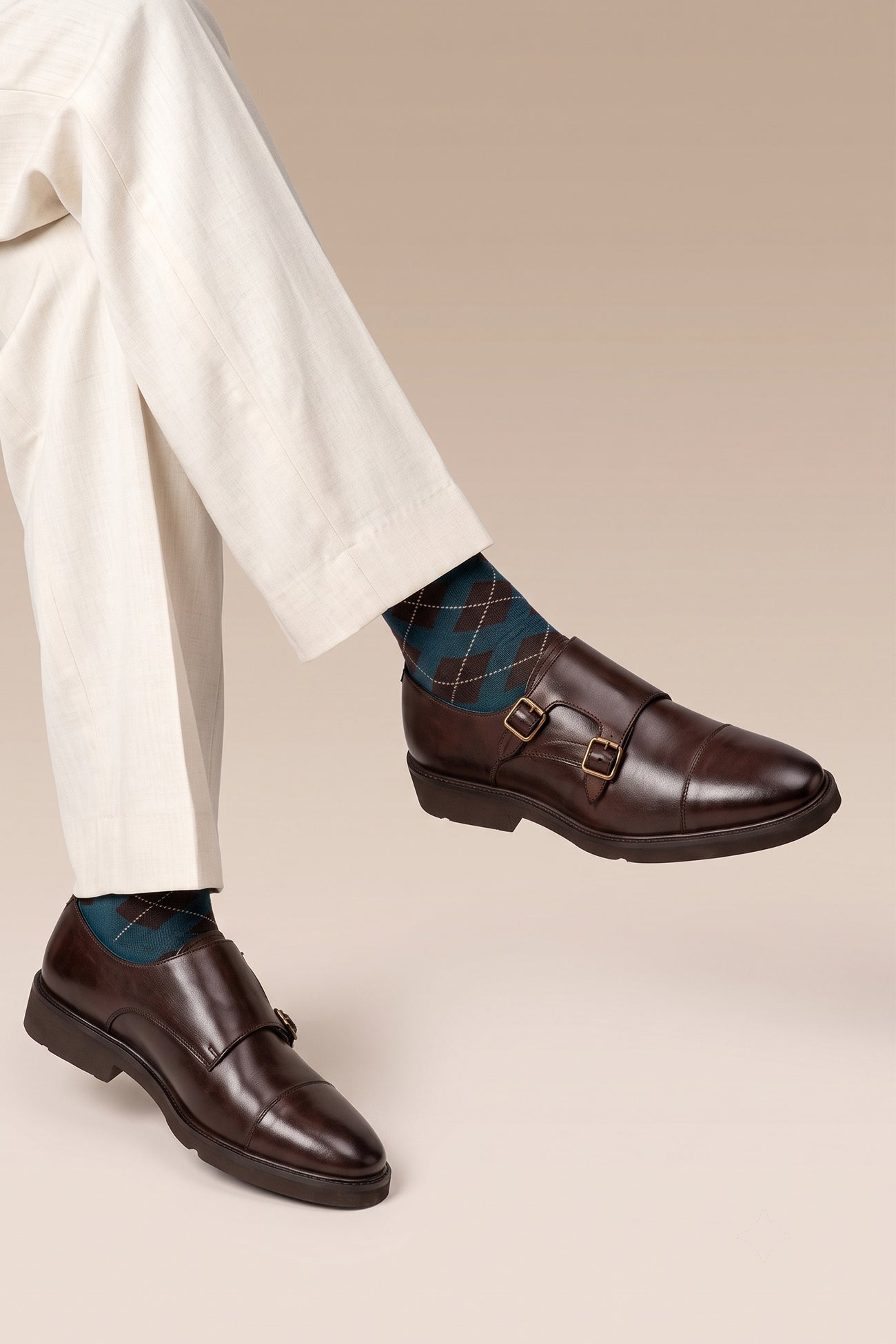
The Shoe: A Wholecut Oxford. This is a shoe made from one single, flawless piece of leather. No seams, no stitching across the top. It is the absolute pinnacle of sleekness. Alternatively, a sharp Double Monk Strap shoe adds a bit of European flair that works brilliantly in a city setting.
-
The Colour: Black is always safe, but a deep, rich oxblood or burgundy is a showstopper against a sharp navy or charcoal city suit.
The Summer Marquee or Barn Wedding
Ah, the rustic wedding. Bales of hay, fairy lights, and hopefully, some sunshine. Heavy lace-ups feel too stiff here. You want something that breathes and looks a bit more relaxed.
-
The Vibe: Breezy, comfortable, and slightly informal.
-
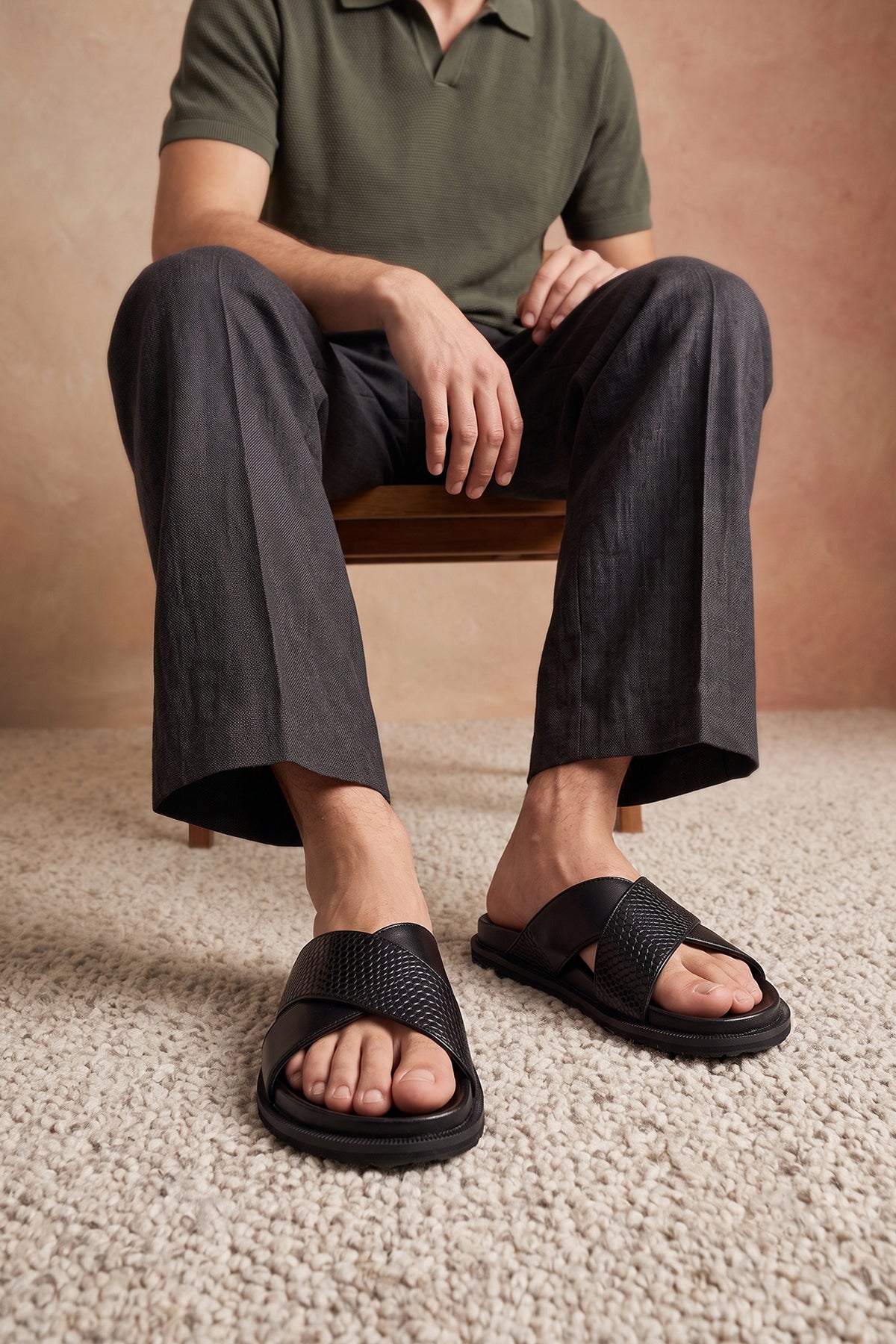
The Shoe: The Loafer. Specifically, a suede tassel loafer. Suede is softer, breaks in faster, and looks phenomenal with lighter, summery suits (think linen or cotton blends). Check out our guide to guest dressing if you're wondering what your mates should wear [Link to Guest Shoe Guide].
Oxford vs. Derby: The Eternal Debate
If I had a pound for every time someone asked me the difference between an Oxford and a Derby, I could probably buy a bespoke pair from Savile Row. It comes down to the lacing system, and it matters more than you think.
-
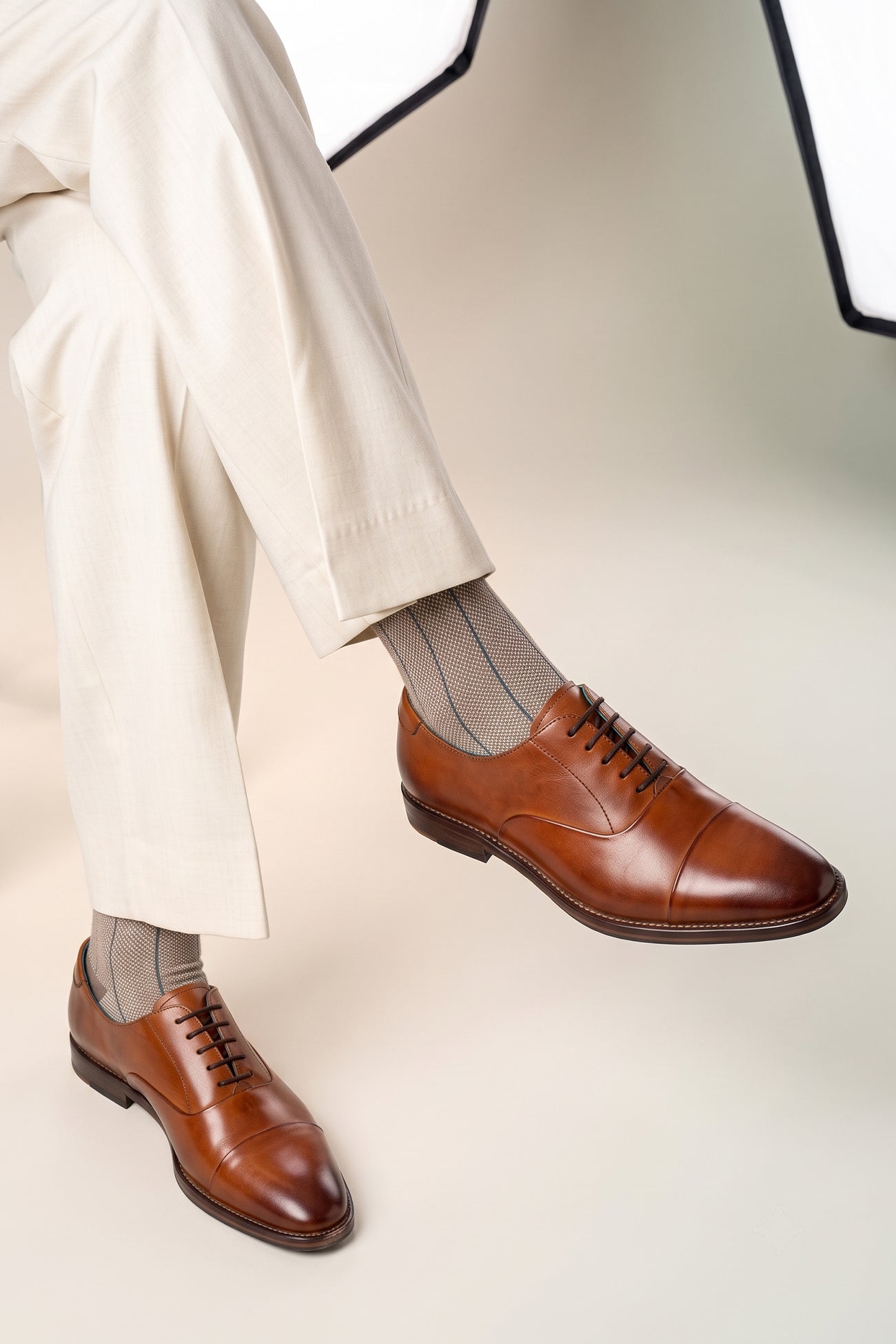
The Oxford: The lacing system is "closed." The bottom of the lacing section is sewn flat into the front of the shoe. It creates a sleek, unbroken silhouette.
Verdict: The ultimate formal shoe. If you are wearing a very sharp suit or a tuxedo, you wear an Oxford. -
The Derby: The lacing system is "open." The flaps where the shoelaces go are sewn on top of the shoe.
Verdict: Slightly more casual, chunkier, and incredibly forgiving if you have a wide foot or a high instep.
If you have wide feet and try to cram them into a narrow, closed-lace Oxford, your feet will be screaming by the time the speeches start. Be honest with yourself about your foot shape.
The Golden Rules of Groom Footwear
-
Invest, Don't Rent: Please, I am begging you, do not wear the plastic, square-toed slip-ons that come with rental suits. They look cheap, they don't breathe, and they will ruin your photos. Buy a good pair of Goodyear-welted shoes. You can wear them to the office, to anniversaries, and to other weddings for the next decade.
-
The Two-Week Break-In: New leather shoes are stiff. Put them on, wear a thick pair of socks, and walk around your house for 30 minutes a day for two weeks before the wedding. Vacuum the house in them. Cook dinner in them. Just don't scuff them on the pavement.
-
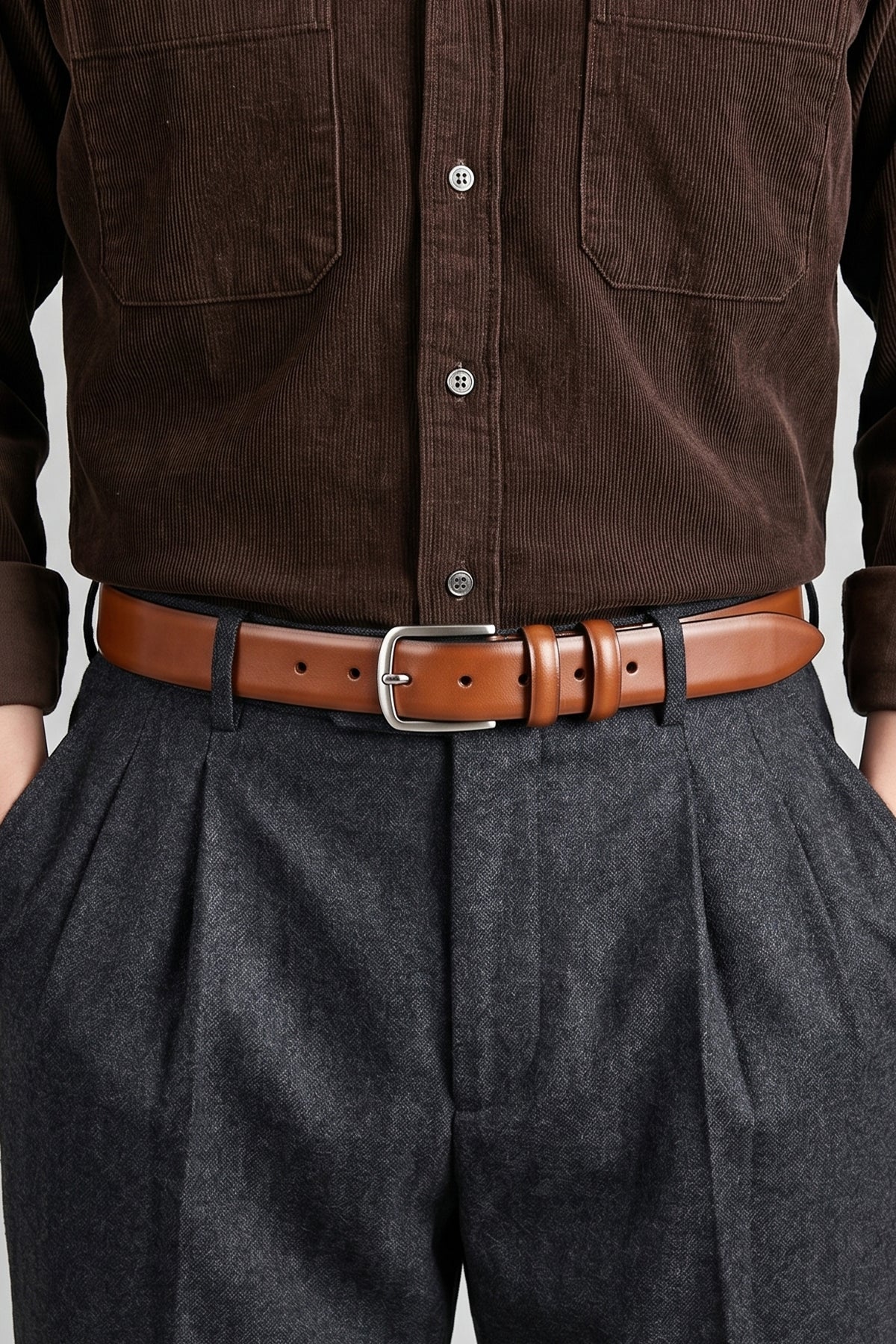
Match Your Leathers: Your shoes must match your belt. Black shoes, black belt. Dark brown shoes, dark brown belt. It’s a simple rule, but getting it wrong throws off the entire outfit.
Your wedding day in the UK will be unpredictable. The weather might turn, the timeline might slip, but if you're standing in a well-crafted, perfectly fitted pair of British-style shoes, you'll at least feel totally grounded.
Read more

Comfort is often the deciding factor when choosing summer footwear - and for good reason. Warmer weather means longer days, increased movement, and greater exposure to the elements. Poorly designed...
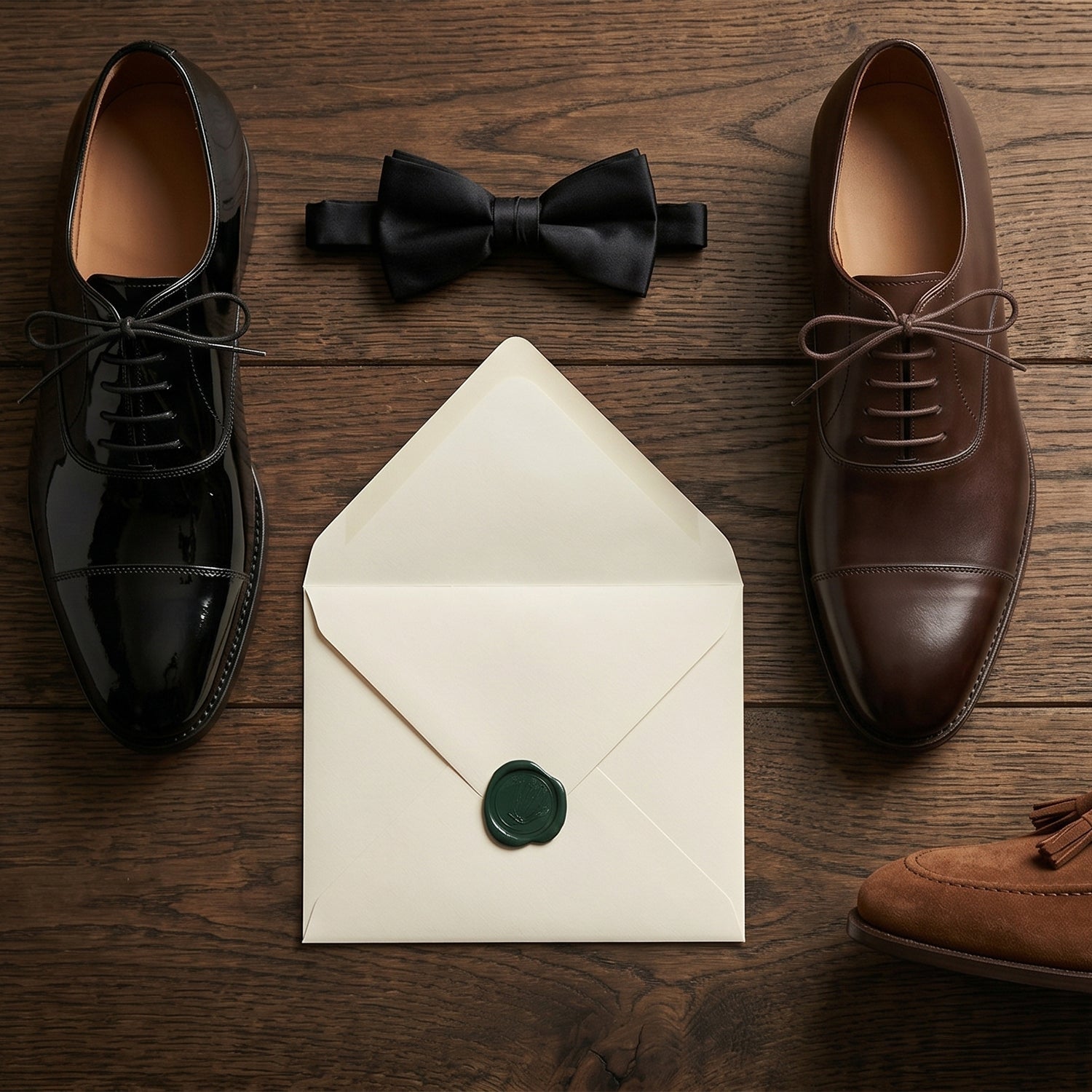
Let’s set the scene: You’ve just received a thick, expensive-feeling envelope in the post. Your mate is getting married. Fantastic! Free food, a great party, and an excuse to get dressed up. But th...
Leave a comment
All comments are moderated before being published.
This site is protected by hCaptcha and the hCaptcha Privacy Policy and Terms of Service apply.