



Oxford Shoes Guide: Types, Quality and How to Wear Them
By Oswin Hyde · Last updated 5 October 2026
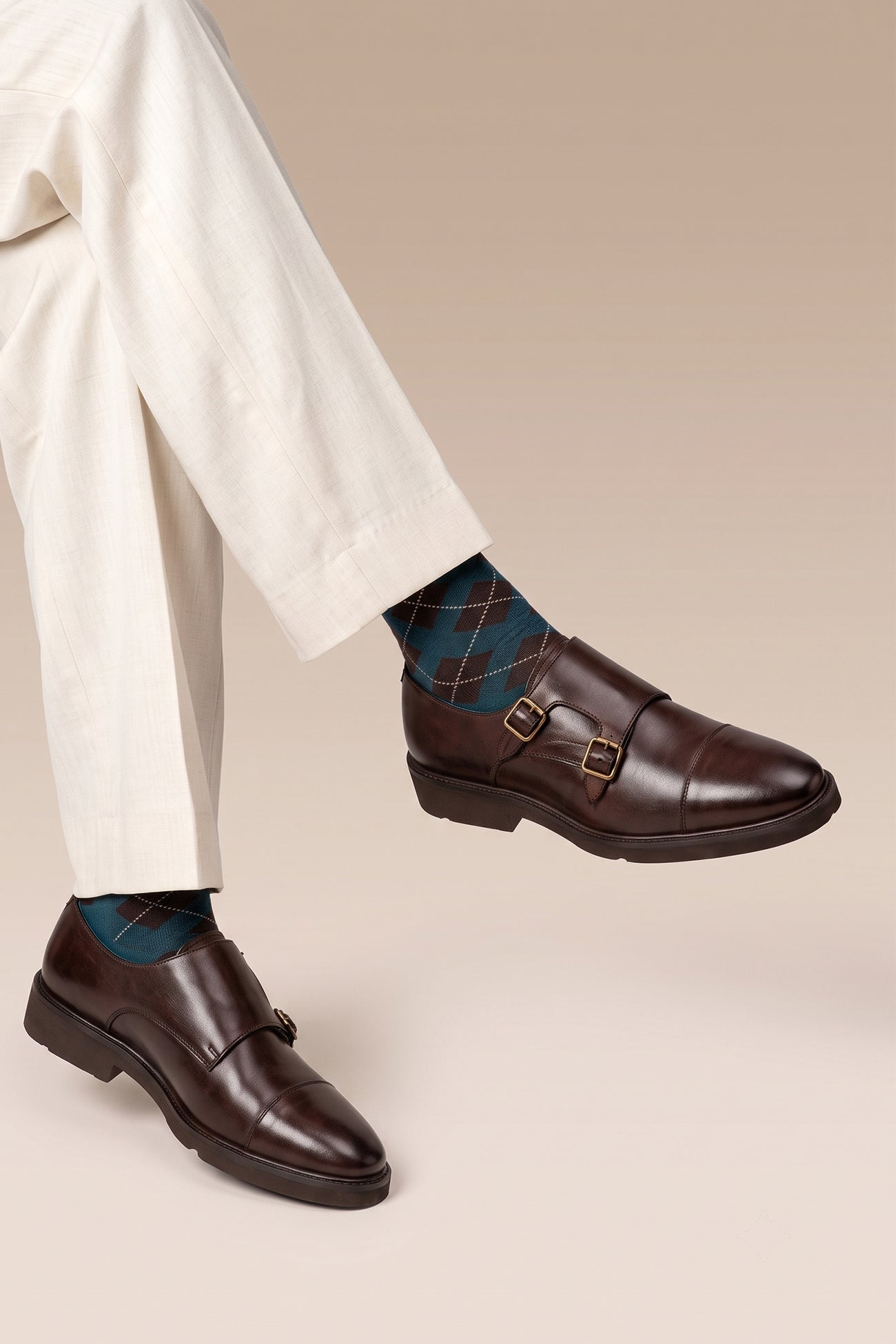
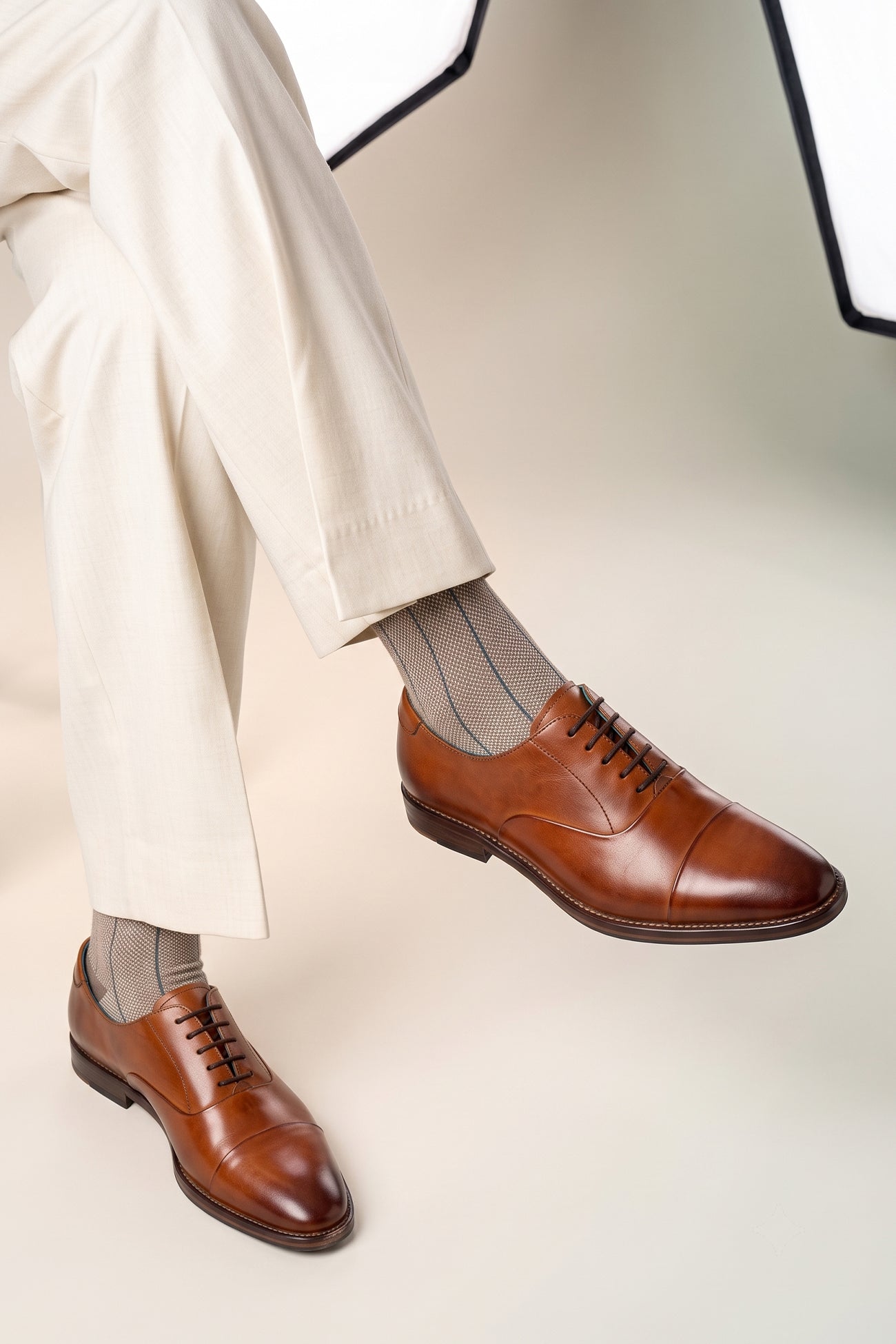
The short answer: an Oxford is a lace-up shoe with closed lacing: the eyelet panels are sewn under the front of the shoe, which gives a sleek, formal look. A plain or toe-cap black Oxford is the most formal everyday shoe and suits suits, interviews and weddings. Brown and suede Oxfords are more relaxed and can be worn with chinos and jeans. You can browse all our men's Oxford shoes in black, brown and tan leather and suede.
What is an Oxford shoe?
The Oxford is defined by its closed lacing. On a Derby the lace panels are stitched on top of the shoe (open lacing), which looks chunkier and more casual. The name is usually traced to Oxford University students in the 19th century, who wore low lace-up shoes instead of boots.
Types of Oxford
| Style | Details | Formality |
| Plain-toe | Smooth, clean vamp | The most formal |
| Toe-cap (cap-toe) | A stitched line across the toe | The business classic |
| Brogue Oxford | Decorative perforations | Smart but less formal |
| Wholecut | Cut from one piece of leather | Sleek, minimal |
| Patent Oxford | High-shine leather | Black tie |
| Suede Oxford | Napped leather | Smart-casual |
Our Oxfords include the plain-toe Dean Black, the toe-cap Wilson Black and Jarred Black, the five-eyelet Edward Black, the lightweight Flint Black, the patent Duke Black and the suede Elise Navy. See the full range of Oxford shoes for men.
Oxford vs Derby shoes
The easiest way to tell them apart is to look at the lacing. On an Oxford, the two panels that hold the eyelets are stitched underneath the front of the shoe, so they close neatly together and the laces sit almost flat. On a Derby, the panels are stitched on top and can open up, so the shoe looks a little chunkier. That small difference makes the Oxford the more formal of the two: it is the shoe for suits, weddings, interviews and black tie, while the Derby is the more relaxed choice for chinos, jeans and tweed. Derbies are also easier to adjust if you have a high instep. Both can be plain, toe-capped or brogued. For more on Derbies and brogues, see our guide to brogues and Derby shoes.
How to tell if black Oxford shoes are high quality
- Full-grain leather. It creases softly and can be polished to a deep shine. "Genuine leather" and corrected grain are lower grades with a coated or printed surface.
- A leather lining. Leather breathes and moulds to your foot; synthetic linings get hot.
- Even stitching and clean edges at the toe cap, heel and eyelets.
- A firm heel counter that holds its shape when you squeeze it.
- Comfort inside: padding under the foot and a heel that grips without rubbing.
Every Oswin Hyde Oxford uses 100% full-grain crust leather from LWG Silver-rated tanneries, with no coating or printed grain, genuine lambskin or sheepskin lining and padded insoles. We use cemented construction, which keeps the shoes light and flexible from the first wear.
Leather vs synthetic Oxfords
Synthetic Oxfords are cheaper but do not breathe, crack at the creases and cannot be restored with polish. Leather Oxfords cost more but last far longer and look better with age, so they cost less per wear.
When to wear Oxford shoes
| Occasion | Best Oxford |
| Black tie | Black patent |
| Wedding, interview, funeral | Black plain-toe or toe-cap |
| Business suit | Black or dark brown toe-cap |
| Smart-casual | Brown or tan, brogue Oxford, suede |
| Casual, with jeans | Tan leather or suede Oxford |
How to wear Oxfords with a suit
Oxfords are the natural partner for a suit. Match the formality of the shoe to the suit and the occasion:
- Black, charcoal or dark grey suits: black plain-toe or toe-cap Oxfords.
- Navy suits: black for formal events, dark brown or burgundy for the office.
- Light grey, blue or beige suits: brown or tan Oxfords, which add warmth.
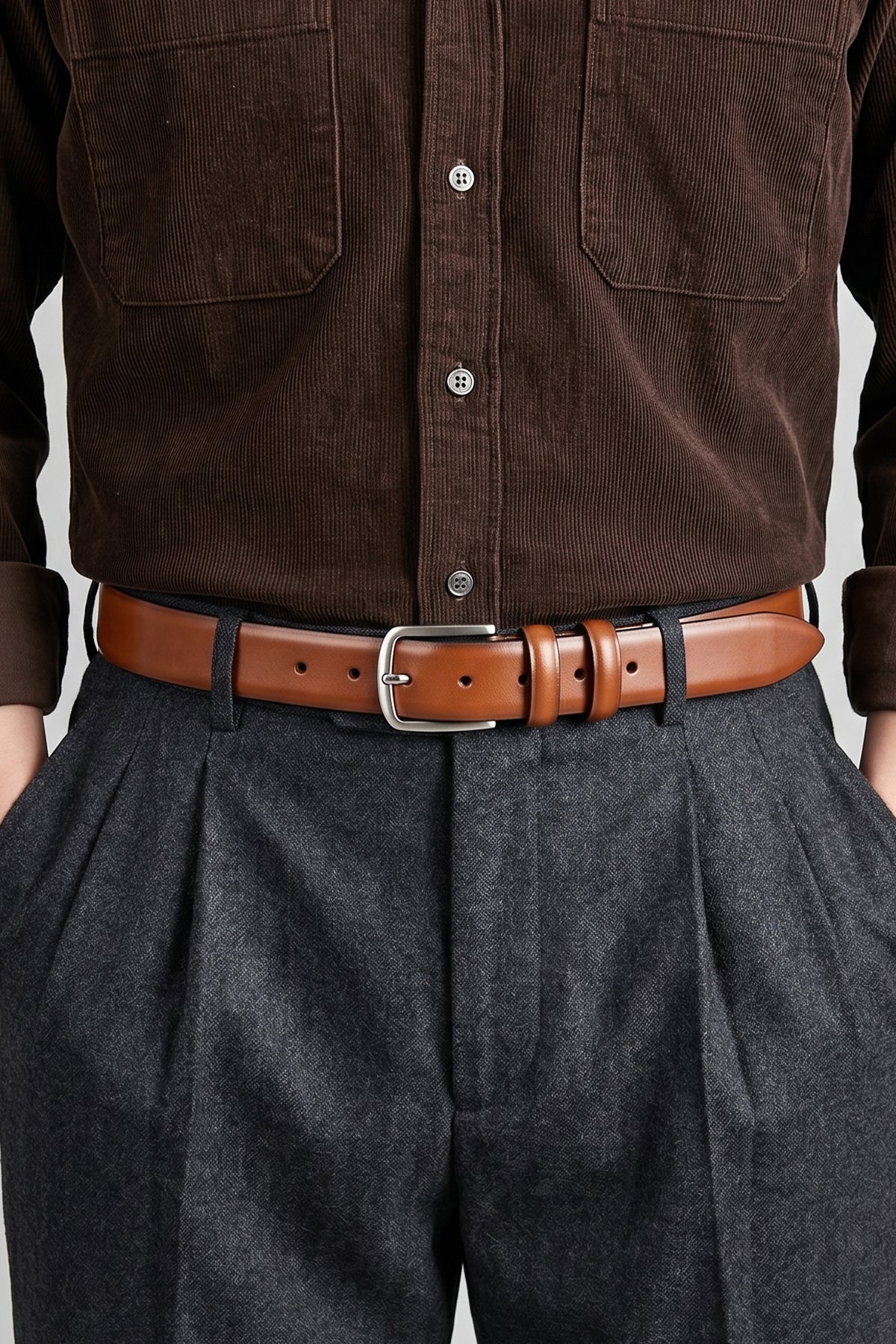
Keep trousers to a slight or no break so they rest just on the top of the shoe, wear dark socks that match your trousers, and match your belt to your shoes. Polished shoes matter more with a suit than with anything else, so give them a quick brush and buff before you wear them.
How to wear Oxfords casually
Choose brown, tan or suede Oxfords rather than black. Wear them with slim chinos, dark jeans or flannel trousers with a short break, a knit or an oxford-cloth shirt, and socks that match your trousers. Match your belt to the shoes: see how to match your belt and shoes. Not sure about colour? Read our shoe colour guide.
How to care for Oxford shoes
Good care keeps Oxfords looking sharp for years. Brush off dirt after each wear, keep cedar shoe trees inside them so they hold their shape and dry out, and avoid wearing the same pair two days running. Condition the leather every month or two and polish as needed; black Oxfords take a high shine on the toe and heel. For a full routine, see our leather shoe care guide.
Frequently asked questions
What is the difference between Oxford and Derby shoes?
Oxfords have closed lacing, with the eyelet panels sewn under the vamp; Derbies have open lacing sewn on top. Oxfords look sleeker and more formal.
Are Oxford shoes formal?
Black plain-toe or toe-cap Oxfords are the most formal everyday shoes. Brown, brogue and suede Oxfords are less formal.
Can you wear Oxford shoes with jeans?
Yes. Choose brown, tan or suede Oxfords with dark, slim jeans. Avoid shiny black Oxfords with denim.
What colour Oxford shoes should I buy first?
Black toe-cap Oxfords for formal events and the office. Add dark brown as your second pair.
Are black Oxford shoes comfortable?
Well-made leather Oxfords with a leather lining and padded insole are comfortable all day once the leather softens to your foot.
How should Oxford shoes fit?
Snug across the widest part of your foot, with about a thumb's width in front of your toes and minimal heel slip. See our shoe size guide for UK, EU and US sizes.
Are Oxfords and brogues the same?
No. Oxford describes the lacing (closed), while brogue describes the decoration (perforations). A shoe can be both: a brogue Oxford has closed lacing and punched detailing, and is a little less formal than a plain Oxford.
What should I wear with Oxford shoes?
Black Oxfords suit dark suits and formal events. Brown and tan Oxfords go with lighter suits, chinos, flannels and dark jeans. Keep the rest of the outfit as smart as the shoe.
Shop the pieces in this guide: Oxford shoes · black shoes · smart shoes · wide fit shoes
Read more

Everything about men's Chelsea boots: how formal they are, how to wear them with a suit, jeans and chinos, suede vs leather, and how to choose a good pair.
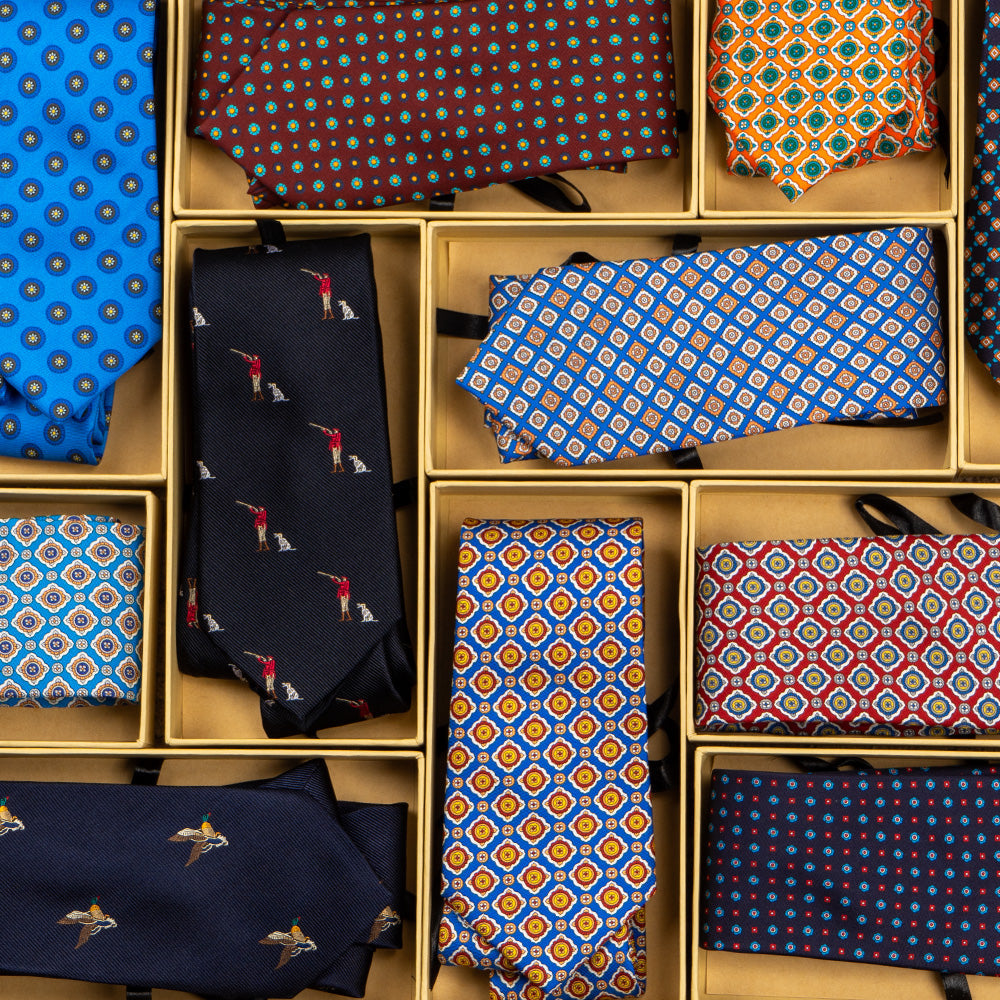
What ties are in style for 2026: widths, fabrics, patterns and colours, plus how to tie, clip and match a tie.
Leave a comment
All comments are moderated before being published.
This site is protected by hCaptcha and the hCaptcha Privacy Policy and Terms of Service apply.